Bone Grafts
Rebuilds jawbone lost after extractions or gum disease, usually to create enough bone for a dental implant. The graft integrates with your own bone over several months.
Medically reviewed by Dr Matthew Sng ·
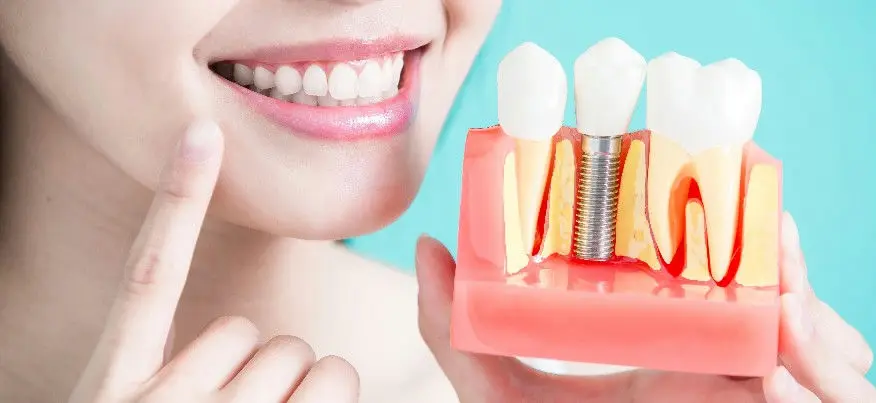
Replaces a missing tooth with a titanium post placed in the jawbone, restored with a crown once healed. From placement to final crown typically takes three to six months.
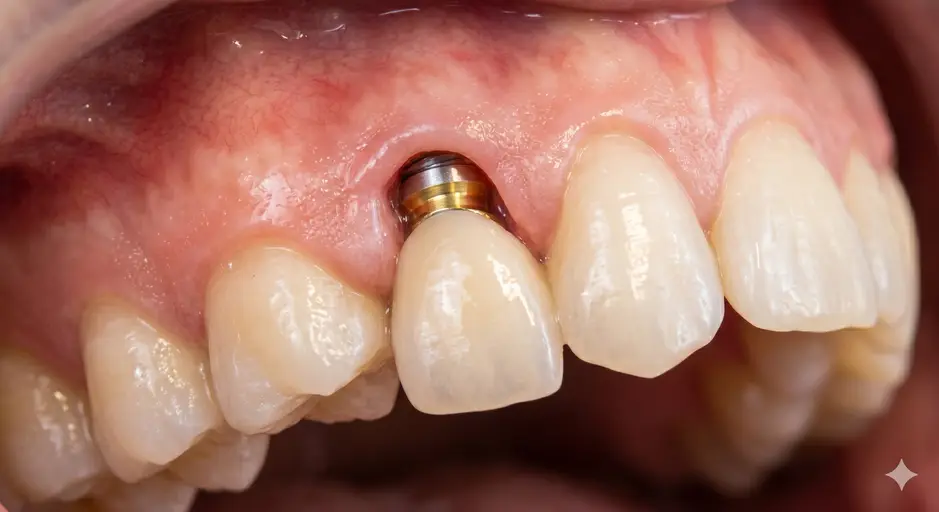
The cost of implants depends on the area treated, your choice of implant brand, and the crown material. At Advanced Dental, we use two established international implant brands: Osstem (Korean) and Straumann (Swiss).
Osstem implant and metal crown - S$2,600
Osstem implant and porcelain-fused-to-metal crown - S$2,800
Straumann implant and porcelain crown - S$4,000
Other miscellaneous charges for consultation, medication, and diagnostic x-ray (if needed) apply.
You can also choose to upgrade to a zirconia crown for an additional fee.
MediSave withdrawal limits include S$1,120 per implant for the operation and up to S$830 per day for day-surgery charges. Implants placed on the same day share the day-surgery allowance. The approved claim depends on the procedure, eligible charges and available balance.
4x Osstem slim one-piece implants - S$5,310 (eligible for MediSave, subject to the applicable withdrawal limits and account balance)
Implant-retained denture - S$1,500 to S$3,000
CHAS subsidies can be used to pay for the denture
Orange - S$272.50
Blue - S$408.50
MG - S$413.50
PG - S$418.50
Prices are indicative and based on normal case complexity. A consultation is required for a definitive quote.
Dental Implant Cost in Singapore (2026): full fee breakdown →
Dental implants replace missing teeth with titanium posts placed in the jawbone. A crown or a denture is attached after the implant has healed. Your dentist assesses the teeth, gums and bone before recommending a treatment plan.
If you are comparing ways to replace a missing tooth, read our implant, bridge and denture comparison.
An implant can support an individual crown. The published single-implant options include the implant and crown; consultation, medication, diagnostic imaging and any additional procedures are separate. The implant price guide explains the options and MediSave conditions.
Implants can also support or retain a denture. Implant-retained dentures are secured to implants and rest partly on the gums. Implant-supported dentures are supported by an implant bar.
All-on-4 treatment uses four implants to support a full-arch prosthesis. Assessment determines the implant plan and whether bone grafting is required. The single-implant-and-crown fee is not a quote for full-arch treatment.
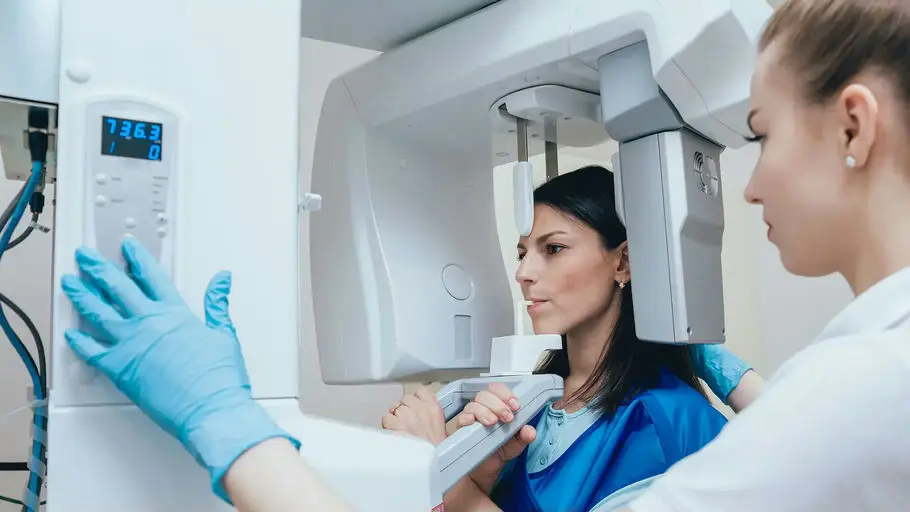
A scan helps assess the bone available for implant placement. Where additional bone is needed, your dentist may discuss bone grafting or a sinus lift. Read about gum treatment if gum health needs attention before implant planning.
For a single implant, treatment commonly takes three to six months from placement to the final crown. Your dentist explains the timing for your case.
Adults missing one or more teeth who have healthy gums and enough jawbone to hold an implant. A scan checks the bone; a bone graft can build up the site where needed. Gum disease, uncontrolled diabetes and heavy smoking are assessed first because they affect healing. Implants are not usually placed until the jaw has finished growing.
Around three to six months from placement to the final crown, to let the implant fuse with the bone. This usually means a placement visit, a healing period, then the crown fitting, with a review afterwards.
Mild swelling or discomfort for a few days, managed with simple pain relief and soft foods. Many people return to their usual routine the next day. Gentle, thorough cleaning around the implant supports healing.
As with any minor surgery there is a small chance of infection, bleeding, or the implant not fully integrating, and rarely an effect on a nearby nerve or the sinus. The dentist reviews your medical history and X-rays beforehand to reduce these.
You are advised not to smoke until the wound has healed, as this slows down healing in the mouth.
Traditional full dentures can be loose, relying only on suction. Implant-retained dentures are held in place by implants, making them more stable and comfortable for chewing.
Scientific studies have shown that around 95% of implants are still functional after 10 to 15 years. Just like with natural teeth, the longevity of implants depends on how well you clean and care for them. This means proper brushing, flossing, and regular check-ups with the dentist.
Your dentist may recommend using an oral rinse instead of brushing your teeth at the surgical site for the first few days, as the area may be sore and tender.
Yes, dental implants can be used to replace single missing teeth, multiple missing teeth, or even a full arch of missing teeth. Your dentist will determine the most appropriate treatment plan based on your specific needs.
While rare, dental implant failure can occur. Factors that can contribute to implant failure include poor oral hygiene, smoking, certain medical conditions, insufficient jawbone density, and untreated gum disease. With proper care and regular follow-up, the success rate for dental implants is high.
All-on-4 uses four implants to support a fixed full-arch bridge. Suitability depends on the amount and position of available bone, bite and general health. Bone grafting may still be needed in some cases.
The good news is, older adults are keeping their natural teeth longer. But some people will need dentures, bridges, or another option like dental implants. These devices offer a strong foundation for fixed (permanent) or removable replacement teeth. The implants have an artificial tooth root that the surgeon puts into your jaw to hold a tooth or bridge in place. They may be a good option if you lost a tooth or teeth due to periodontal disease, or an injury. But they're not for everyone. You need to have healthy gums and enough bone to hold the implant in place. Talk to one of our experts to see if they're right for you.
Four implants are positioned to support a full-arch bridge, often with the back implants angled to use available bone. Imaging and an assessment determine the implant positions and whether grafting is required.
The timing for placing dental implants after a bone graft varies depending on the individual case and the healing progress. In some cases, implants can be placed simultaneously with the bone graft, while in others, a waiting period of several months is necessary for proper integration of the graft before implant placement.
The entire treatment usually takes 4 to 5 visits. This includes a consultation, implant surgery, stitch removal, an impression-taking/healing period (2-3 months after stitch removal), and the final try-in and issuance of the prosthesis (crown or denture).
Before doing an implant, your dentist will need to assess whether you are suitable for implant treatment. It is especially important that you have sufficient bone to support an implant. Using x-rays of your teeth and jaw, your dentist will be able to measure the height and width of your bone. If you do not have enough bone, a bone graft will be required before you do an implant.
A temporary crown can be issued while your permanent crown is being fabricated. However, it is not always necessary to have a temporary crown. Your surgeon will be happy to discuss this in more detail with you.
If you are looking for a more permanent solution for replacing missing teeth, you can also consider doing a bridge or implant.
You may experience slight swelling after the procedure, which will subside in a few days. The downtime is minimal. Most of our patients are able to return to their normal daily activities on the same day.
The dental implant process can take several months, including the healing period. After the implant is placed, the jawbone needs time to fuse with the implant through a process called osseointegration. Once this is complete, the final restoration (crown or bridge) can be attached. The whole treatment will usually take approximately 4 to 5 visits across an average of six months.
Dental implants can be placed to fill the space where a missing tooth once was. Alternatively, a bridge or denture can be fabricated to fill in the gap as well.
Local anaesthesia numbs the treatment area. Tell the dentist if you feel pain during the procedure. Some swelling and soreness can occur afterwards; the amount and duration vary with the surgery. Follow your prescribed aftercare and contact the clinic if symptoms worsen or do not settle.
Yes, you can. Please book an appointment with our dentist to assess the situation and ensure compatibility with the implant brand.
Please rest and avoid strenuous activities for the first 24 hours following the implant surgery. Your body will need rest in order for the surgical site to heal quickly and smoothly.
Consult with our dentist to assess your condition and determine if you are a suitable candidate for the treatment.
During the first 1 to 2 weeks, avoid chewing hard or crunchy goods. Do not use a straw when drinking as this sucking motion can result in more bleeding by dislodging the blood clot. Rinse thoroughly but gently after eating to prevent trapped food from infecting the surgical site.
The jawbone should be fully matured for implant placement. Hence, implants are usually only recommended for patients above 18 years of age. The good news is that dental implants can be placed in adult patients of any age, as long as sufficient bone is present to support the implant. Other basic requirements such as the overall health of the teeth and gums will also be taken into consideration when assessing one's suitability for dental implants.
A healing abutment may be placed on your implant to allow for healing. Avoid chewing anything hard on the side where the implant was placed. This will help the implant to heal safely in preparation for the next step of your treatment. In rare instances where your healing abutment gets dislodged, please notify the clinic immediately and we will make arrangements for you to see the dentist.
Dental implants are considered a permanent solution for tooth replacement. Once the implants have fused with the jawbone, they provide a stable and long-lasting foundation for the replacement teeth. However, regular dental check-ups and maintenance are still necessary to ensure their success.
Caring for dental implants is similar to caring for natural teeth. It involves regular brushing, flossing, and routine dental check-ups. Additionally, it's important to avoid habits such as smoking and excessive grinding or clenching, as they can affect the longevity of the implants.
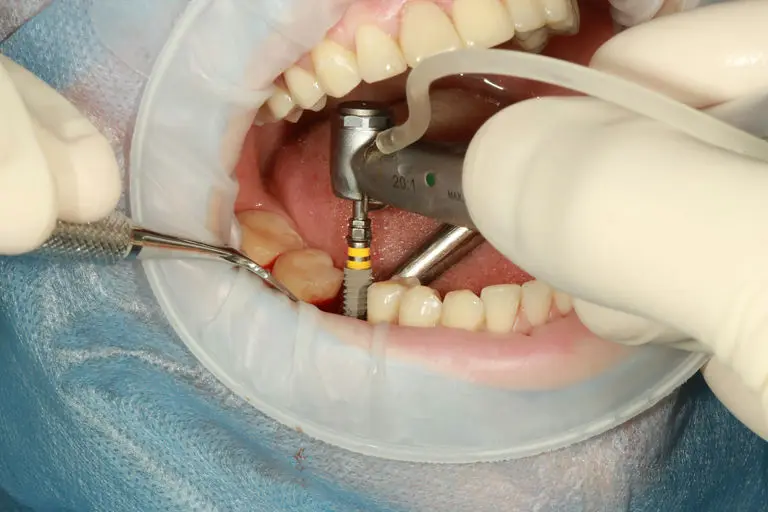
Dental implants are artificial tooth roots that are surgically placed into the jawbone. They provide a stable foundation for replacement teeth (crowns) or bridges and are designed to look, feel, and function like natural teeth.
Dental implants are designed to closely mimic the appearance of natural teeth. The crown or bridge that is attached to the implant is customized to match the color, shape, and size of your existing teeth, making them blend in seamlessly.
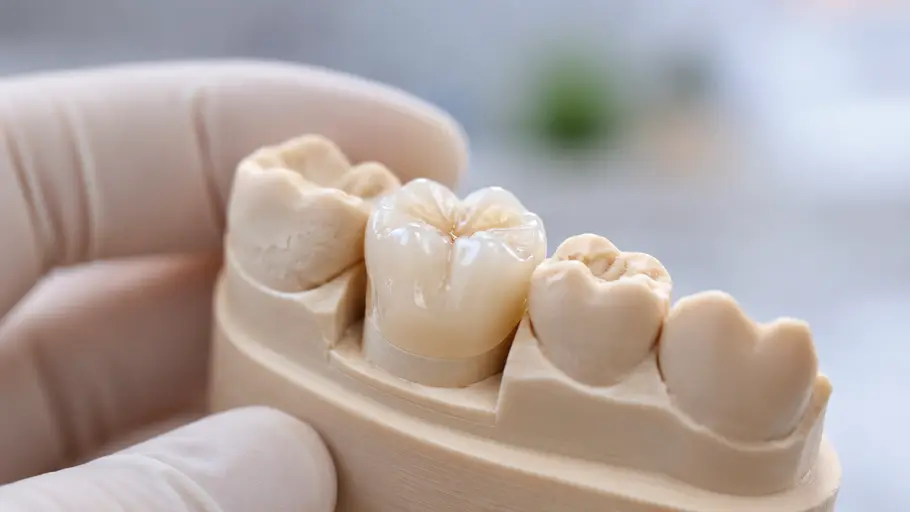
Rebuilds jawbone lost after extractions or gum disease, usually to create enough bone for a dental implant. The graft integrates with your own bone over several months.
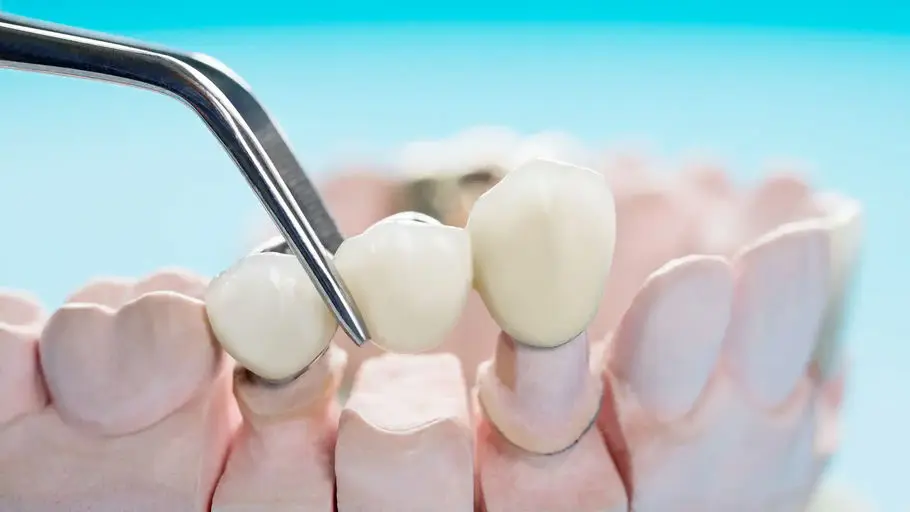
A crown caps a weakened or root-treated tooth to restore its shape and strength; a bridge replaces a missing tooth by anchoring onto the teeth beside the gap. Both typically take two visits.
Surgical procedures of the mouth and jaw, including surgical extractions, wisdom tooth removal, bone grafts and biopsies, under local anaesthesia, sedation or general anaesthesia.
Compare implants, bridges and removable dentures for replacing missing teeth.
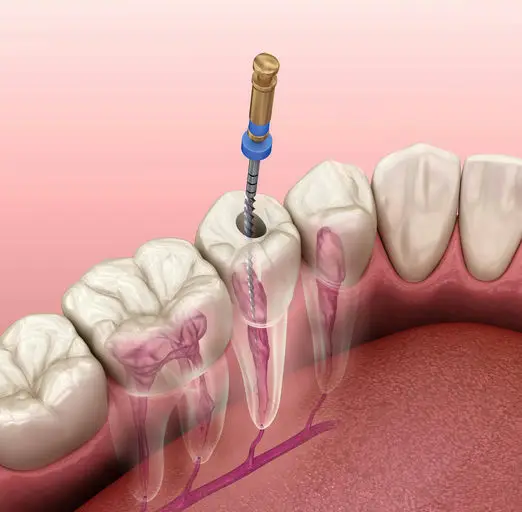
Removes infected or inflamed pulp from inside a tooth, then cleans, shapes and seals the root canals so the natural tooth can be kept. Usually one to three visits; a crown is often recommended afterwards.
Removable replacements for missing teeth — full or partial — made of acrylic or metal-framed cobalt-chromium. Fitting takes several appointments, with adjustments as you adapt.
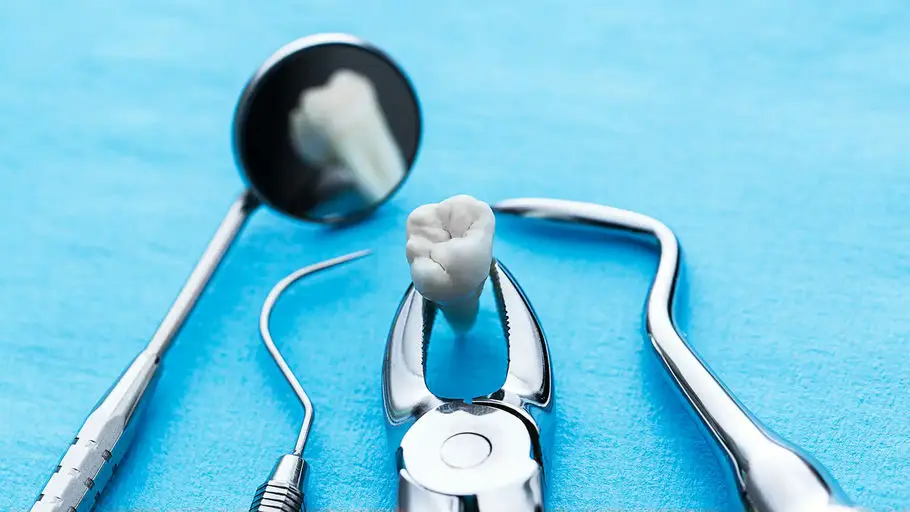
Removal of teeth that cannot be saved due to decay, gum disease, fracture or crowding, done under local anaesthesia. Replacement options are discussed before any extraction.
Dental care adapted for older adults: dry mouth, worn or heavily restored teeth, gum disease and dentures, with treatment planned around medical conditions and medications.
What an implant is, what the surgery involves, and who is a suitable candidate
When bone grafting is needed before an implant, the types used, and how long healing takes
How the three ways to replace a missing tooth compare on longevity, bone and cost
Why the upper back jaw often lacks the bone height an implant needs, and how a sinus lift addresses it