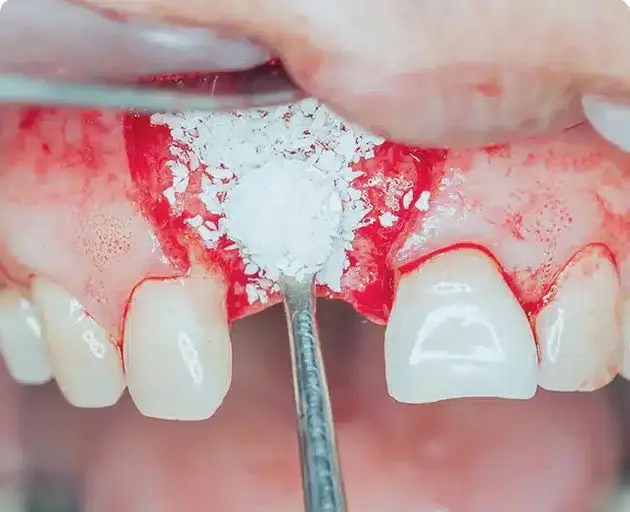
Bone Grafts
Rebuilds jawbone lost after extractions or gum disease, usually to create enough bone for a dental implant. The graft integrates with your own bone over several months.
Mucocele (oral mucous cyst) removal: S$850 to S$1,000 with up to S$650 claimable via MediSave. Histology lab fee (investigation of the removed specimen): S$200 to S$300. Excludes medication.
Prices are indicative and based on normal case complexity. A consultation is required for a definitive quote.
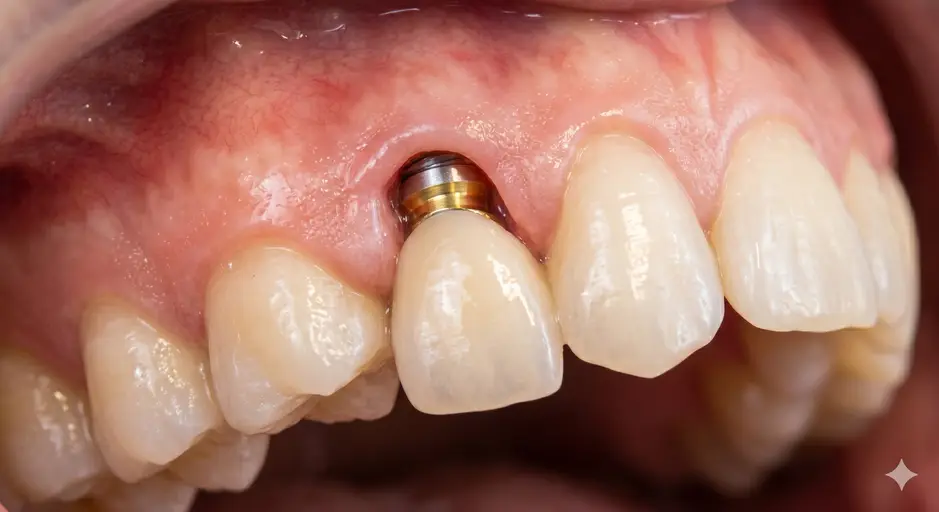
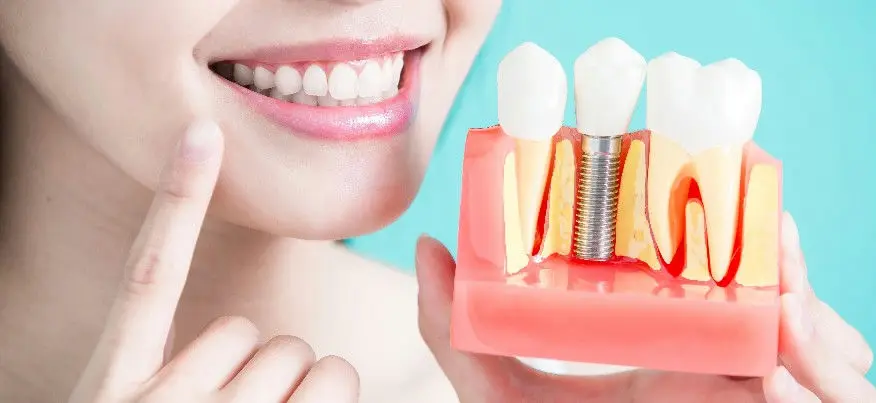
Dental implants are titanium screws that are surgically placed into the jawbone underneath your gums. A crown can then be placed on the implant.
As implants are fused to the jawbone, they are very stable and can feel almost identical to natural teeth.
At Advanced Dental, we provide a range of treatments such as:
Find out more about Dental Implants!
Bone grafting aims to fill an area where the bone is inadequate to help provide greater structural stability. Your dentist may advise that you undergo bone graft surgery should your jawbone be too thin or soft to support an implant. If the bone cannot support the implant, the implant may eventually get infected and dislodge.
At Advanced Dental, we provide a range of treatments such as:
Find out more about Bone Graft Surgery!
When plaque and calculus build up on your teeth, bacteria can get trapped, resulting in gum disease.
For mild cases, improving your oral hygiene routine and coming for regular scaling and polishing can help to alleviate the condition.
However, if your condition is severe, your dentist may suggest gum treatment or even gum surgery.
Some gum treatments include:
Find out more about Gum Treatment and Surgery!
If your tooth is badly decayed and infected, root canal treatment (RCT) may be required. Our dentists will disinfect the tooth and ensure it is bacteria-free, so that your toothache is a thing of the past.
Some treatments we offer include:
Find out more about Root Canal Treatment!
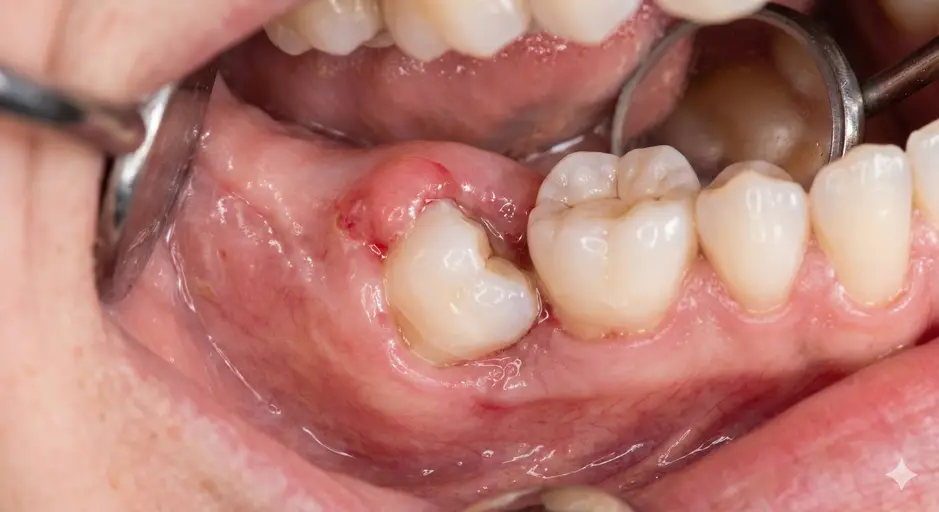
Our third set of molars, the wisdom teeth, assisted our early ancestors in grinding plant tissues, a component of their diet that was difficult to chew and digest. Over the years, as our food became easier to chew and digest, our jaws gradually got smaller.
Some treatments include:
Find out more about Wisdom Tooth Surgery!
Tooth extraction refers to the complete removal of a tooth from the mouth. The need for an extraction usually arises when a tooth is severely decayed or beyond repair. Sometimes, teeth may be extracted for other reasons, such as when they are impacted or when space must be created for orthodontic treatment, like braces.
Some treatments include:
Find out more about Extractions!
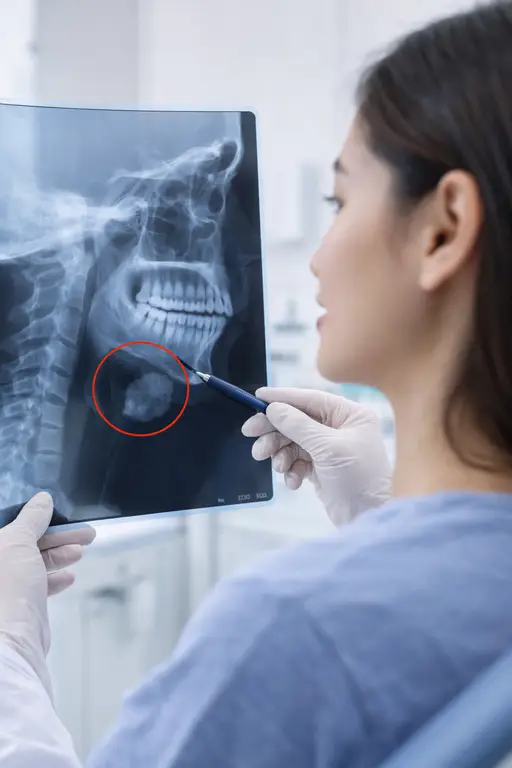
People who need a surgical procedure of the mouth or jaw — such as a surgical extraction, wisdom tooth removal, bone graft or biopsy. An assessment and imaging plan the procedure and the appropriate anaesthesia (local, sedation or general).
Varies with the procedure — many are a single appointment; the surgeon gives a time and any review schedule for your case.
These procedures usually involve some swelling and discomfort for a few days, eased with prescribed pain relief, soft foods and cold packs; the surgeon gives aftercare specific to what was done.
As with any surgery there is a chance of infection, bleeding and swelling, and — depending on the site — temporary altered sensation near a nerve. These are discussed with you beforehand.
We recommend using a straw at least 24 hours after dental surgery. This is because using a straw may affect blood clot formation, which is necessary to stop bleeding.
When you use a straw right after tooth extraction, you run the risk of dislodging the blood clot at the extraction site. This is because sucking on a straw causes suction, which can cause the blood clot to dislodge. This can be painful, resulting in a dry socket and infection.
We recommend using a straw at least 24 hours after dental surgery. Using a straw right after dental surgery may risk dislodging the blood clot at the surgery site, resulting in a dry socket and infection.
While rare, potential risks include bleeding and infection. Dentists take measures to minimize these risks and provide post-biopsy care instructions.
An incisional biopsy is a diagnostic procedure where a small portion of abnormal tissue is surgically removed for microscopic examination. It helps in determining the nature of oral lesions or abnormalities.
Patients may experience some discomfort during and after the procedure, but with the administration of local anesthesia, the pain is minimized. Postoperative pain can usually be managed with over-the-counter pain relievers.
We recommend consuming liquids and soft foods for a few days after the surgery (i.e. milkshakes, yoghurt, smooth soups, mashed potatoes, etc.). Avoid hot and spicy foods to reduce inflammation of the surgical sites. Smokers should also refrain from smoking as it hinders the healing process.
Procedures such as biopsies for suspicious lesions, excision of cysts, tumors, or removal of abnormal tissues may require a histology report for accurate diagnosis and treatment planning.
While there may be some initial discomfort, most patients can resume normal speech and eating habits shortly after the biopsy procedure.
An excisional biopsy involves the complete removal of a suspicious or abnormal tissue for microscopic examination.
Yes, we have an experienced Oral and Maxillofacial Surgeon (specialist) in our group. Most general dentists can perform routine wisdom tooth extraction and surgery. However, the Oral and Maxillofacial Surgeon can treat more complex cases and care for such patients.
During an incisional biopsy, the dentist surgically removes a small piece of the abnormal tissue using a scalpel under anaesthesia. The removed tissue is sent to a laboratory for microscopic examination.
Recommendations may include gentle massage of the scar tissue, application of silicone-based products, and adherence to a skincare routine. Individualised guidance is provided based on the patient's healing progress.
Rebuilds jawbone lost after extractions or gum disease, usually to create enough bone for a dental implant. The graft integrates with your own bone over several months.
Replaces a missing tooth with a titanium post placed in the jawbone, restored with a crown once healed. From placement to final crown typically takes three to six months.
Surgical removal of impacted or partially erupted wisdom teeth. An assessment establishes whether surgery is needed. Compare general-dentist and specialist fees, check inclusions and find a clinic below.
Emergency and follow-up care for knocked-out, broken or displaced teeth and injuries to the jaws and face, from splinting and re-implantation to surgical repair.
Assessment and surgical management of cysts and benign growths of the jaw, typically involving imaging, biopsy where indicated, and removal under local anaesthesia or sedation.
Sedation options for anxious patients and longer procedures, ranging from inhalation and intravenous sedation to general anaesthesia for selected cases.
Diagnosis and management of jaw-joint and muscle problems — pain, clicking, locking and bite-related headaches — using bite splints, physiotherapy, medication or botulinum injections.
Managing pain, bleeding and swelling in the days after oral surgery, and when to call the clinic
The training an OMS completes, and the conditions a general dentist refers to one