Emergency Dentistry
Same-day dental care for urgent problems — toothache, a broken or knocked-out tooth, swelling, or a lost filling or crown. Book an urgent slot by region, or call, and we will see you at the nearest available clinic.
Simple extraction: S$70 to S$100
Complex extraction: S$110 to S$180 (general dentist) or S$180 to S$350 (specialist)
Wisdom tooth (non-surgical): S$190 to S$250 (general dentist) or S$250 to S$400 (specialist)
Prices exclude consultation. Surgical removal of an impacted wisdom tooth is covered under Wisdom Tooth Surgery.
Up to 4 extractions per calendar year (shared across all types). CHAS pays up to (Orange / Blue / MG / PG):
Front (anterior) - S$19 / S$28.50 / S$33.50 / S$38.50
Back (posterior) - S$45.50 / S$68.50 / S$73.50 / S$78.50
For CHAS Blue/Orange cardholders and Merdeka (MG)/Pioneer (PG) Generation seniors. Amounts correct as of October 2025.
Prices are indicative and based on normal case complexity. A consultation is required for a definitive quote.
Dental extractions refer to the complete removal of teeth from the mouth by a dentist. The need for an extraction usually arises when a tooth is severely decayed, beyond repair, impacted, or when space must be created for orthodontic treatments like braces.
Both types of extractions can be done at any of our dental clinics in Singapore.
This involves the removal of teeth that cannot be easily accessed. Your doctor may recommend this if your tooth is severely broken or if it is impacted (stuck) behind a bone or another tooth.
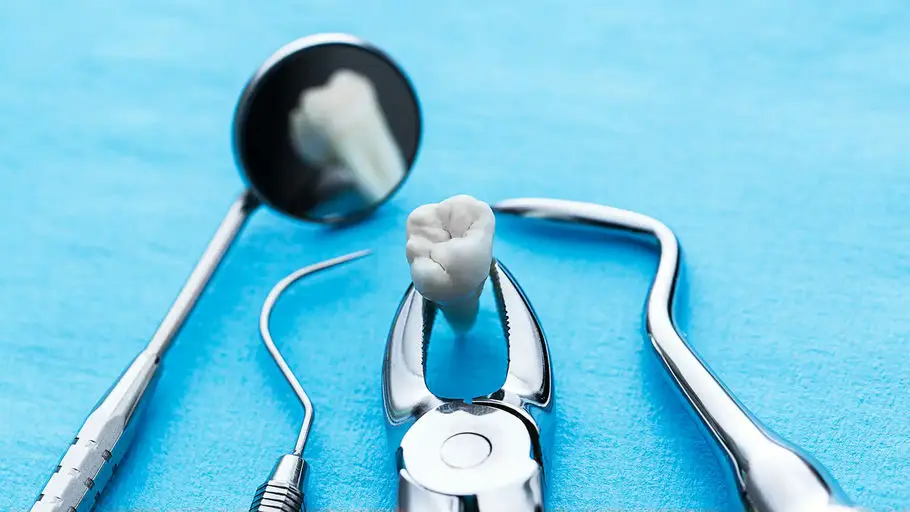
This involves the removal of teeth that are visible in the mouth. A local anesthetic will first be administered, before using dental forceps to loosen the tooth and finally remove it.
Depending on the complexity of the extraction, the duration varies between 15 and 60 minutes. A local anesthetic will be given so that the tooth and surrounding area will be numbed. With their experience and care, our dentists will do all they can to give you as quick and comfortable an experience as possible.
The tooth will be removed with extraction forceps. If surgery is required, you will be informed before we begin the procedure. In such a case, an incision will be made on your gums to gain clearer access to the tooth.
After the extraction, you will be given a piece of gauze to bite on until the bleeding stops. Your dentist will give you more advice on what you can do after the extraction for the socket to heal nicely.
Teeth that cannot be saved by other treatment — through severe decay, gum disease, fracture or crowding. Replacement options are discussed before any tooth is removed, since a gap can affect neighbouring teeth and the bite.
A simple extraction is usually a single short appointment under local anaesthesia; a difficult tooth takes longer or may be done as a surgical extraction.
A blood clot forms in the socket and it heals over a couple of weeks. Expect some discomfort and swelling for a few days; soft foods, no smoking, and avoiding vigorous rinsing early on protect the clot.
Possible bleeding, infection, or a painful dry socket if the clot is lost, and — for some lower back teeth near a nerve — temporary altered sensation. Leaving the gap unreplaced can let nearby teeth drift over time.
We recommend using a straw at least 24 hours after dental surgery. This is because using a straw may affect blood clot formation, which is necessary to stop bleeding.
When you use a straw right after tooth extraction, you run the risk of dislodging the blood clot at the extraction site. This is because sucking on a straw causes suction, which can cause the blood clot to dislodge. This can be painful, resulting in a dry socket and infection.
We recommend using a straw at least 24 hours after dental surgery. Using a straw right after dental surgery may risk dislodging the blood clot at the surgery site, resulting in a dry socket and infection.
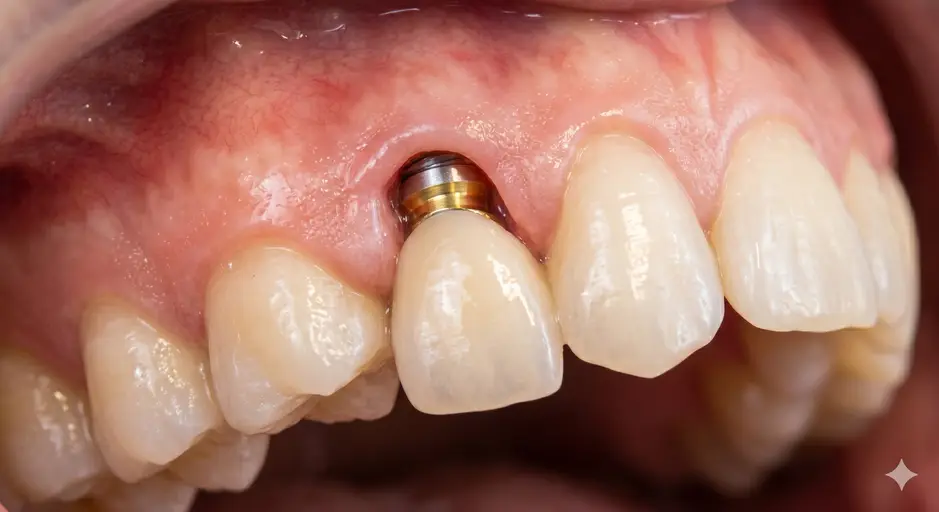
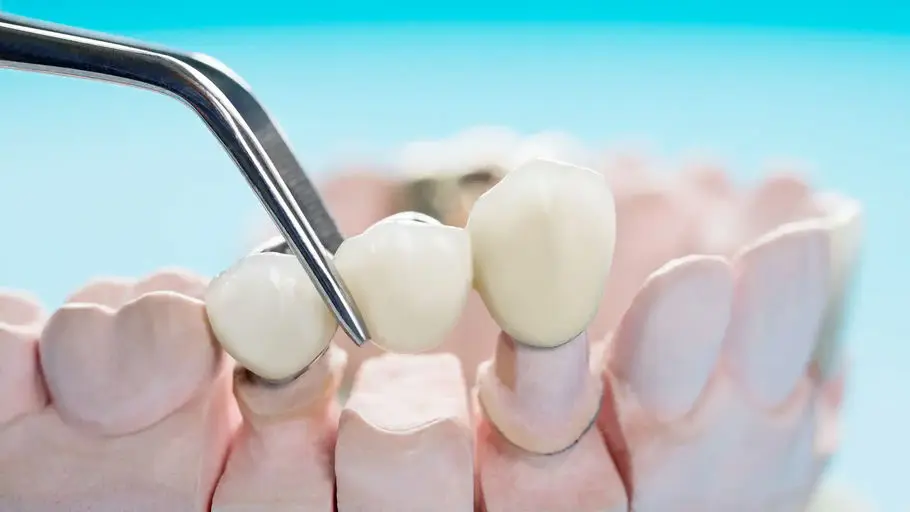
If a permanent tooth is extracted, your dentist may discuss replacement options with you, such as dental implants, bridges, or dentures, depending on your specific situation. It's important to address the tooth loss to maintain proper oral function and aesthetics.
Depending on the size of the tooth and how difficult it was to remove, closing of the wound usually takes between 4 to 6 weeks. For surgical extractions and more complicated cases, it may take 1 to 2 months before the hole where your tooth was is completely closed.
Your dentist will provide specific instructions regarding fasting before the extraction. Typically, you will be advised not to eat or drink anything for a certain period before the procedure to prevent complications and ensure your safety during the procedure.
Mild bleeding, swelling, and slight tenderness are normal after a tooth extraction or surgical removal. Monitor your condition for 2 to 3 days. Contact us to schedule an appointment for a review as soon as possible if you experience any of the following: inflammation, severe or worsening pain, swelling that does not subside and spreads to other parts of the face, persistent or heavy bleeding for more than 24 hours, or the presence of pus. If you are worried about your current condition, we can schedule the soonest appointment for you to have a review with your dentist.
Your dentist will provide specific instructions on how to care for the extraction site. This typically includes avoiding vigorous rinsing or spitting, gently rinsing with warm saltwater after the first 24 hours, and following a proper oral hygiene routine, being cautious around the extraction site.
When teeth are severely crowded or protruding, extractions may be required. Consult with our doctors to understand more about your treatment needs.
We recommend using a straw at least 24 hours after dental extraction. This is because using a straw may affect blood clot formation, which is necessary to stop bleeding. When you use a straw right after tooth extraction, you run the risk of dislodging the blood clot at the extraction site. This is because sucking on a straw causes suction, which can cause the blood clot to dislodge. This can be painful, resulting in a dry socket and infection. We recommend using a straw at least 24 hours after dental surgery. Using a straw right after dental surgery may risk dislodging the blood clot at the surgery site, resulting in a dry socket and infection.
It's recommended to stick to a soft and cool diet immediately after a tooth extraction. Avoid hot, spicy, or crunchy foods that may irritate the extraction site. Gradually reintroduce solid foods as you feel comfortable, following your dentist's guidance.
The level of sedation depends on various factors, including the complexity of the extraction, your anxiety level, and the recommendation of your dentist. Local anaesthesia is typically used to numb the area, but you may also receive additional sedation options such as nitrous oxide (laughing gas) or intravenous sedation.
The extraction procedure itself is performed under local anaesthesia, so you won't feel any pain during the process. However, it's common to experience some discomfort and swelling after the extraction. Your dentist will provide appropriate pain management options.
Extractions of up to 4 teeth may be necessary for severe crowding or protrusion, but not all patients require extractions.
Be sure to brush and floss the other areas of your mouth as you would normally. The space left by the tooth will feel a bit strange to you at first. Eventually, new bone and gum tissue will grow into the gap left by the extraction.
A tooth extraction is a dental procedure in which a tooth is removed from its socket in the jawbone. It is typically done when a tooth is severely damaged, decayed, infected, or impacted (such as with wisdom teeth).
While tooth extractions are generally safe, there are potential risks and complications, although they are relatively rare. These can include infection, dry socket (delayed healing), damage to surrounding teeth or nerves, excessive bleeding, or sinus complications. Your dentist will discuss these risks with you beforehand.
It's normal to experience mild discomfort after a tooth extraction or dental surgery. You will be given painkillers to take if needed. To prevent nausea and gastric discomfort, it's recommended that you consume the painkillers only after a meal or with gastric-protective medication. You may reduce the swelling by using an ice pack at 20-minute intervals for about 6 hours after the surgery. Please call our clinic if you are unsure of your recovery process, and we will be happy to assist you.
Blood clot formation is necessary to stop bleeding, thus avoid touching the extraction site with your tongue or fingers. Do not drink liquids through a straw, spit vigorously, and/or rinse your mouth on the day of the extraction/surgery as these actions may disturb the blood clot.
Some discomfort after the extraction/surgery is normal. We will prescribe a pain reliever to take if needed. To avoid nausea, take pain medication after food or with gastric-protective medicine. You can also decrease pain and swelling by applying an ice pack – 20 minutes on, 20 minutes off – for the first 6 hours following the extraction/surgery. If it is still unbearable after taking these measures, please book an appointment with us for a check-up.
It is common to have some slight bleeding from the extraction site for 24-48 hours after surgery. Replace the gauze on the bleeding area as needed every 30-45 minutes and bite on the gauze firmly. Keeping your head elevated with pillows can also help to control bleeding. However, if bleeding continues or increases, please call our clinic immediately.
It's important to rest and take it easy for at least the first 24 hours after a tooth extraction. After that, you can gradually resume normal activities as tolerated. However, it's advisable to avoid strenuous exercise and activities that may disrupt the healing process for about a week.
Appointments for extractions are for consultation and assessment first. The removal may or may not be done in the same visit, depending on the situation and complexity of the removal.
It's important to rest and take it easy for at least the first 24 hours after surgery. After that, you can gradually resume normal activities as tolerated. However, it's advisable to avoid strenuous exercise and activities that may disrupt the healing process for about a week.
For simple extractions, kindly raise your concern to your treating doctor and he/she will assess your condition to see if you require medical leave. In general, 1-2 days of MC can be given. For surgical removal of wisdom teeth, 5 days of MC will usually be given.
Stiff jaw muscles may cause a limitation in opening the mouth wide for a few days after extraction. This usually resolves during the week after extraction.
These methods will require anaesthetist, which we do not have in our dental group. Local anaesthesia provides sufficient numbing for dental extractions and surgeries. If you still have concerns, please let our dentists know during consultation and they will be able to provide you with professional advice.
Same-day dental care for urgent problems — toothache, a broken or knocked-out tooth, swelling, or a lost filling or crown. Book an urgent slot by region, or call, and we will see you at the nearest available clinic.
Replaces a missing tooth with a titanium post placed in the jawbone, restored with a crown once healed. From placement to final crown typically takes three to six months.
An overview of the options for replacing missing teeth — implants, bridges and dentures — covering what each involves, how long each lasts and typical costs.
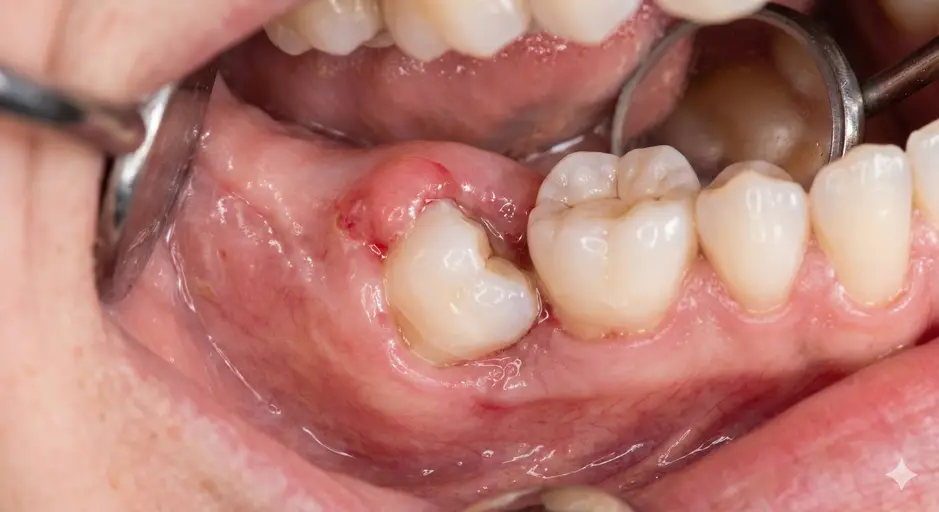
Surgical removal of impacted or partially erupted wisdom teeth. An assessment establishes whether surgery is needed. Compare general-dentist and specialist fees, check inclusions and find a clinic below.
Managing pain, bleeding and swelling in the days after oral surgery, and when to call the clinic
How to weigh saving a tooth against removing it, and what follows either decision