
Missing a Tooth? Dental Implants Explained

Medically reviewed by Dr Matthew Sng , Clinical Director
Last reviewed
What an implant is, what the surgery involves, and who is a suitable candidate
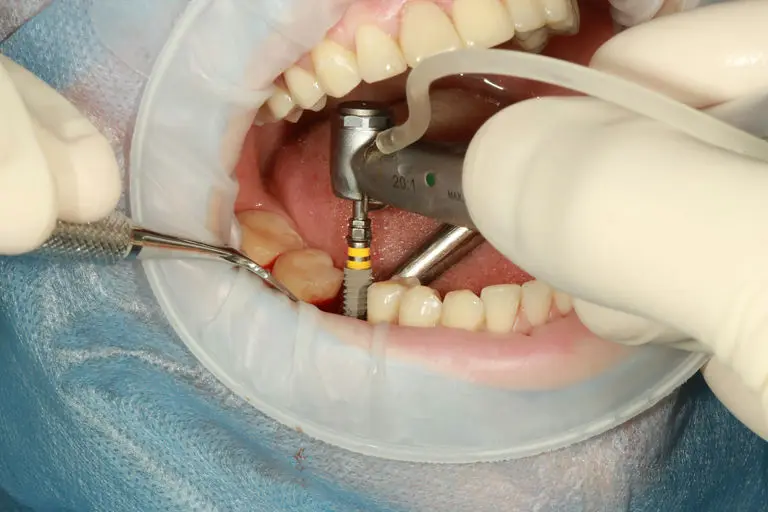
A dental implant is a titanium post placed in the jawbone to replace the root of a missing tooth, topped with a custom-made crown. It restores the look and function of a natural tooth and, with good care, can last many years.
Why replace a missing tooth?
A gap is not only cosmetic. When a tooth is lost, the jawbone beneath it is no longer stimulated by chewing and slowly shrinks, which can shift neighbouring teeth and change your bite and facial shape over time. Replacing the tooth restores chewing, speech, and the structure of your jaw.
Implant, bridge or denture?
The three common options each suit different situations:
| Option | How it works | Good to know |
|---|---|---|
| Implant | Titanium root plus a crown, placed in the jaw | Doesn't touch the neighbouring teeth; needs enough bone and a healing period |
| Bridge | Crowns on the two adjacent teeth carry a false tooth | Fixed and quicker; the neighbouring teeth are trimmed |
| Denture | Removable replacement for one or more teeth | Lowest upfront cost; removed for cleaning |
For a fuller comparison, see implant vs bridge vs denture.
What sets an implant apart
Unlike a denture or bridge, an implant is self-supporting:
- It functions like a natural tooth once it has healed and fused with the bone, so you can chew with confidence.
- It helps preserve the jawbone. By replacing the root, the implant restores the chewing stimulus that keeps bone from shrinking and helps maintain your facial structure.
- It is made from biocompatible titanium, which the body tolerates well. With daily brushing, flossing, and regular check-ups, an implant can last for many years.
Planning your implant
Careful planning is what makes placement safe. We use 3D imaging (CBCT) to measure your bone volume and map the nerves and structures beneath the gum, then plan the exact position before surgery. Placement is usually done under local anaesthesia, and sedation is available if you feel anxious.
After the jawbone heals around the implant — usually a few months — a crown is made to match the colour and shape of your surrounding teeth, so it blends in when you smile. If there isn't enough bone, a bone graft or sinus lift may be needed first.
MediSave and subsidies
For Singaporeans and PRs, implant insertion surgery is MediSave-claimable:
- Use your own MediSave to offset the surgical cost, reducing the cash you pay upfront.
- If you don't have enough, an approved family member's account — such as a parent or spouse — may be used.
- We handle the paperwork and submit the claim at the clinic.
CHAS subsidies may also apply for eligible cardholders. Ask us what you can claim at your consultation.
If you're looking at replacing a missing tooth, book a dental implant consultation and we'll assess your bone, explain your options, and give you a clear plan before any decision.