Implants
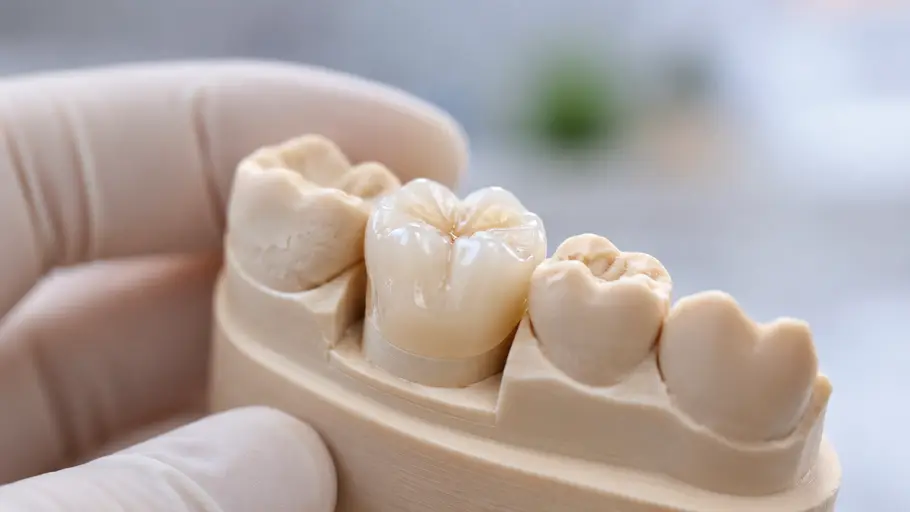
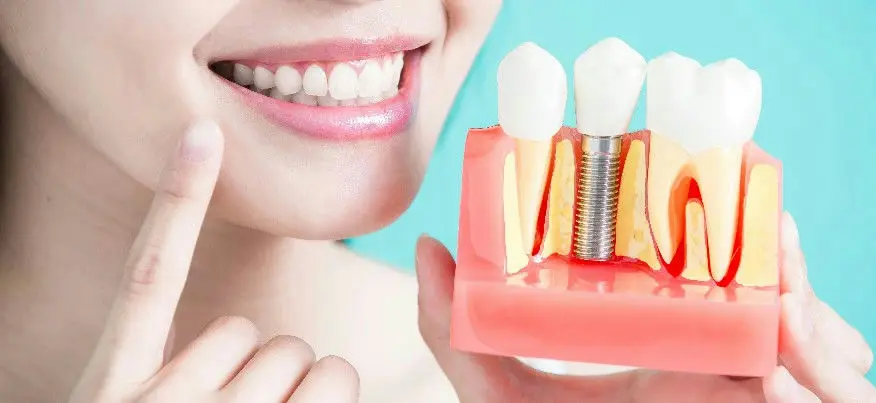
Replaces a missing tooth with a titanium post placed in the jawbone, restored with a crown once healed. From placement to final crown typically takes three to six months.
Medically reviewed by Dr Matthew Sng ·
A crown caps a weakened or root-treated tooth to restore its shape and strength; a bridge replaces a missing tooth by anchoring onto the teeth beside the gap. Both typically take two visits.
Crown, general dentist (per tooth): S$1,000 to S$1,500 depending on the material — full metal or porcelain-fused-to-metal S$1,000 to S$1,400; full porcelain or zirconia S$1,100 to S$1,500.
Crown, specialist (per tooth): S$1,150 to S$1,750 depending on material.
Bridge: priced by the number of crown units involved.
The final fee depends on the material chosen and the complexity of the case.
CHAS subsidises permanent crowns; the amount by card tier is in the fee tables.
Patients aged 60 and above can also use Flexi-MediSave (up to S$400/year) towards a permanent crown at CHAS dental clinics from mid-2026. Amounts correct as of October 2025.
Prices are indicative and based on normal case complexity. A consultation is required for a definitive quote.
Dental Crown & Bridge Cost in Singapore (2026): full fee breakdown →
A dental crown caps a weakened tooth to restore its shape and strength. A bridge replaces a missing tooth by anchoring onto the teeth on either side of the gap. Both are made in a dental laboratory and typically take two visits.
For a comparison of the options, read our implant, bridge and denture comparison.
A crown covers the whole visible part of a tooth. It suits a tooth that is weakened, heavily filled, cracked, or has had root canal treatment and needs full coverage to protect it from fracturing.
Where a filling replaces part of a tooth, a crown takes over the whole surface — which is why it is used when there is not enough sound tooth left to hold a filling reliably.
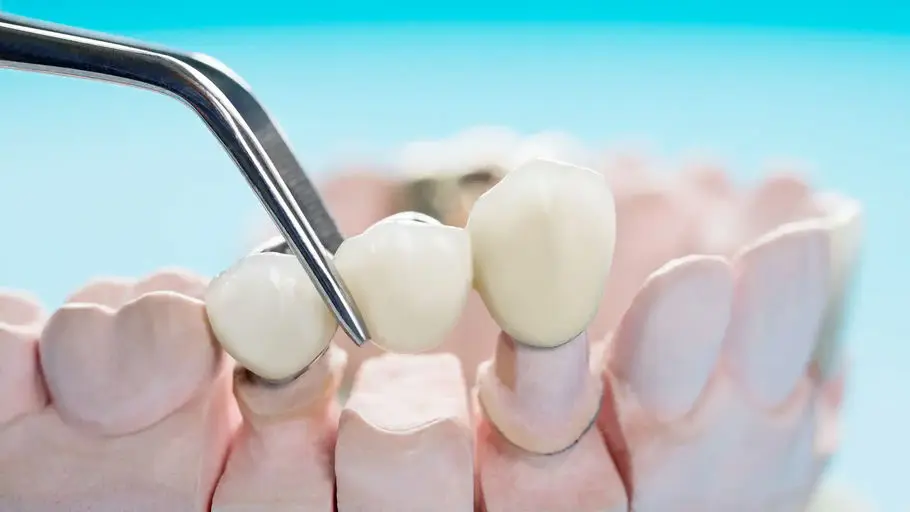
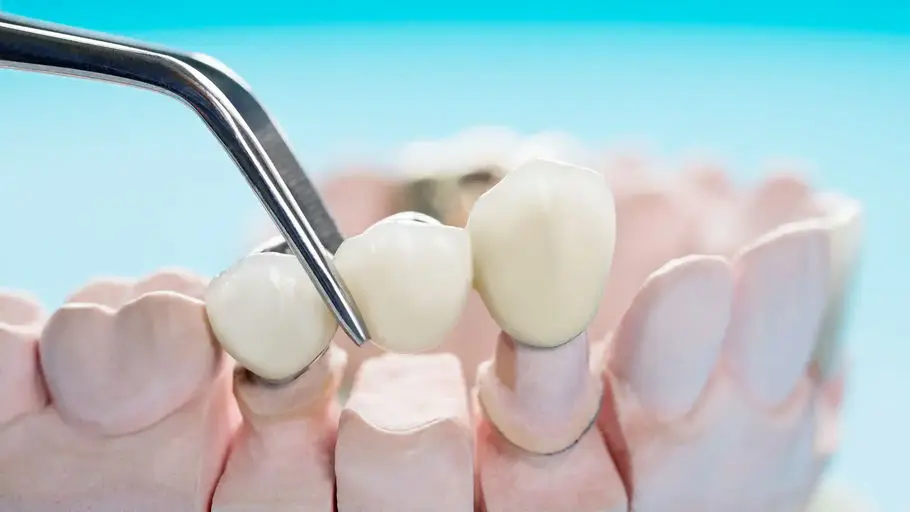
A bridge spans a gap where a tooth is missing. The teeth on either side are prepared and crowned, and a replacement tooth is joined between them.
A bridge suits a gap where the neighbouring teeth are sound enough to carry it. Where they are healthy and untouched, an implant may be preferable, because a bridge involves preparing those neighbours. Your dentist compares both for your case.
Metal crowns, in gold or another dental alloy, take heavy biting force and need less tooth removed to make room for them. Their colour makes them a back-tooth option.
Porcelain and ceramic crowns match the shade and translucency of a natural tooth, which is why they are used at the front.
Porcelain fused to metal (PFM) puts a porcelain surface over a metal core. A dark line can show at the gum margin over the years as the gum recedes.
Zirconia is a tooth-coloured ceramic that stands up to heavy chewing force, so it is used on back teeth where appearance still matters.
Your dentist recommends a material based on where the tooth sits, the force it takes and how much sound tooth is left.
At the initial visit the tooth is prepared, an impression or scan is taken, and a temporary crown or bridge is fitted. The laboratory makes the permanent one, and it is cemented at the second visit, typically a week or two later. Same-day options are available at some clinics.
Take care with the temporary in between — it is held with softer cement so it can be removed easily at the fitting appointment.
Crowns and bridges are CHAS-accredited, so cardholders can claim a subsidy where eligible. MediSave may apply to certain surgical cases — your dentist confirms what applies to yours. For current fees by material, see the dental crown cost guide.
Crowns and bridges are offered across our Singapore clinics, with prosthodontic cases seen by a specialist in prosthodontics where appropriate. Book online, call, or ask on WhatsApp.
A crown suits a tooth that is weakened, heavily filled, cracked or root-treated and needs full coverage; a bridge suits a gap where the teeth on either side are sound enough to support it. Healthy gums and enough tooth structure are checked first; an implant may be an alternative to a bridge.
Usually two visits — the tooth is prepared and an impression taken at the first, with a temporary fitted, and the laboratory-made crown or bridge cemented at the second, typically a week or two later. Same-day options exist at some clinics.
Mild sensitivity or tenderness for a few days after preparation is normal and settles. You can eat normally once any numbness wears off, taking care with the temporary until the final crown is fitted.
Preparing a tooth for a crown or bridge removes some tooth structure and is not reversible. The tooth underneath can still decay or, rarely, need root canal treatment later; crowns and bridges can chip or come loose over time and may eventually need replacing.
Dental crowns and bridges can be made from materials that closely mimic the appearance of natural teeth, such as ceramic or porcelain fused to metal. These materials can be customized to match the colour, shape, and size of your existing teeth, making them blend in seamlessly.
First, the natural teeth that will support the bridge are reshaped. An impression of these teeth and the gums is taken to create a custom-fitted bridge. The impression is sent to a dental lab for fabrication, which takes 1 to 2 weeks. Once ready, the bridge is mounted precisely on a follow-up visit.
The price for re-cementation of a crown (per unit) ranges from S$100 to S$200. The dentist must assess your tooth and the crown to determine if re-cementation is possible. Prices exclude consultation fees. CHAS subsidies are available, with a limit of up to 2 re-cementations per calendar year.
Dental crowns and bridges require regular oral hygiene practices, including brushing twice a day, flossing, and visiting your dentist for routine check-ups and cleanings. It's important to avoid chewing on hard objects or using your teeth as tools, as this can cause damage to the restorations.
Dental crowns and bridges are designed to withstand normal chewing forces, allowing you to eat a variety of foods. However, it's advisable to avoid excessively hard or sticky foods that can potentially damage or dislodge the restorations. Your dentist can provide specific dietary recommendations based on your situation.
A dental crown is a cap or covering that is placed over a damaged or decayed tooth. It restores the tooth's shape, size, strength, and appearance while providing protection and support.
The placement of dental crowns and bridges is a relatively painless procedure. The affected tooth or teeth are typically numbed with local anaesthesia before the preparation and placement of the restoration. You may experience some mild sensitivity or discomfort afterward, but this is usually temporary.
Over time, the cement that glues your crown to your tooth may weaken due to age, decay or trauma. If your crown feels loose, please call our clinic and see your dentist for a checkup. If the crown has fallen off, do not throw it away! Your dentist may be able to re-cement it or examine the crown to see what went wrong.
If you are looking for a more permanent solution for replacing missing teeth, you can also consider doing a bridge or implant.
For a long time, dental crowns were referred to as caps, and even now you may still hear the term 'cap' used by some people and by those who do not work in dentistry. Most dentists today use the term 'crown' instead.
A dental bridge is a fixed dental restoration that replaces one or more missing teeth. It consists of a prosthetic tooth that is supported by dental crowns on adjacent teeth or dental implants.
Dental implants can be placed to fill the space where a missing tooth once was. Alternatively, a bridge or denture can be fabricated to fill in the gap as well.
You may need a dental crown if you have a severely decayed tooth, a cracked or fractured tooth, a tooth with a large filling, or a tooth that has undergone root canal treatment. Crowns are also used to anchor a dental bridge or restore a dental implant, and for cosmetic purposes such as improving the appearance of misshapen or discoloured teeth.
The process of getting a dental crown or bridge usually requires two or more dental visits. During the first visit, the tooth is prepared, impressions are taken, and a temporary restoration is placed. In subsequent visits, the permanent crown or bridge is fabricated and then cemented or bonded into place.
Yes, dental crowns and bridges can be replaced if necessary. Over time, they may wear down, become loose, or develop complications. If this occurs, it's important to visit your dentist for an evaluation. They can determine if replacement is necessary and discuss the available options.
A temporary crown can be issued while your permanent crown is being fabricated. However, it is not always necessary to have a temporary crown. Your surgeon will be happy to discuss this in more detail with you.
Most dental bridges will last 10 years or longer with proper care.
Yes, a cracked tooth can lead to tooth sensitivity, especially when biting or chewing. Cracked teeth should be evaluated by a dentist and may require treatment, such as bonding, a dental crown, or root canal therapy.
Replaces a missing tooth with a titanium post placed in the jawbone, restored with a crown once healed. From placement to final crown typically takes three to six months.
Compare implants, bridges and removable dentures for replacing missing teeth.
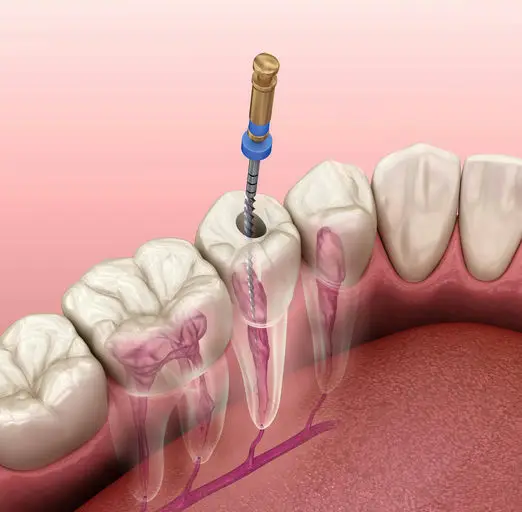
Removes infected or inflamed pulp from inside a tooth, then cleans, shapes and seals the root canals so the natural tooth can be kept. Usually one to three visits; a crown is often recommended afterwards.
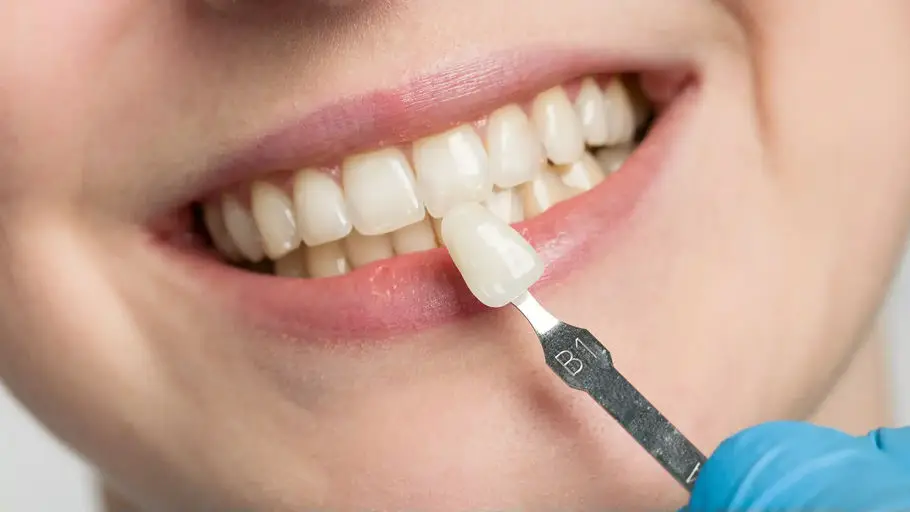
Thin porcelain or composite shells bonded to the front surface of teeth to change their shape and colour, commonly used for chips, gaps and discolouration.
Removable replacements for missing teeth — full or partial — made of acrylic or metal-framed cobalt-chromium. Fitting takes several appointments, with adjustments as you adapt.
The signs that a crown is failing, and what happens if it is left
How the three ways to replace a missing tooth compare on longevity, bone and cost
How much tooth each option removes, and which situations call for a crown rather than a veneer
Patients aged 60 and above can use Flexi-MediSave towards a crown or root canal treatment