Bone Grafts
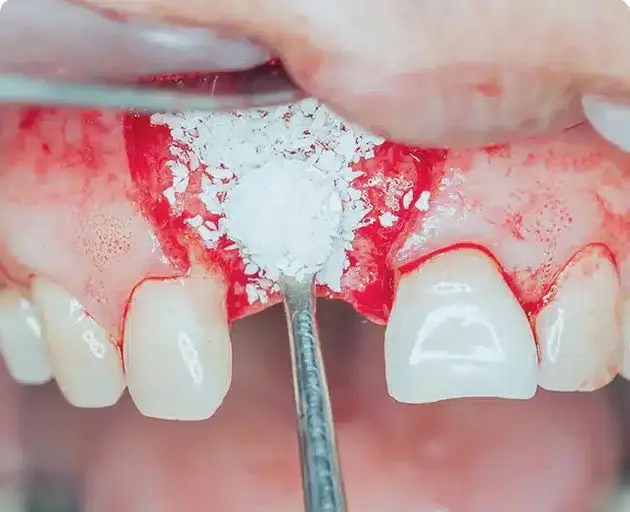
Rebuilds jawbone lost after extractions or gum disease, usually to create enough bone for a dental implant. The graft integrates with your own bone over several months.
At Advanced Dental, our specialists empathise and are dedicated to addressing missing teeth and their challenges by restoring your quality of life. Allow us to assist you in rebuilding confidence in your smile through various available treatments, including Crowns & Bridges, Dentures, and Dental Implants.
Due to the strength and durability of metals, a full metal crown is a reliable choice for your back teeth, which bear the most biting forces. Full-metal crowns can be made of gold or an alloy of iron and other metals.
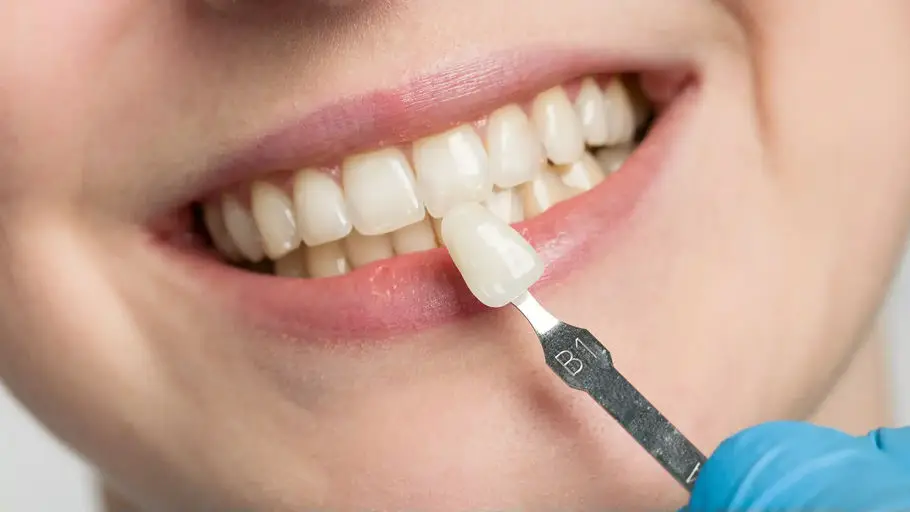
For front teeth, aesthetics are a priority. Hence, we normally recommend a full porcelain or ceramic crown which will closely resemble the shade and translucency of your natural teeth.
The Porcelain Fused to Metal (PFM) crown combines the strength of a full metal crown with the natural look of a porcelain crown. PFM crowns provide a good balance of aesthetics and durability at a more affordable price.
Zirconia is a newer material that is stronger than ceramic but has a white shade that more closely matches the colour of your teeth. This material is a good, aesthetic alternative for crowns and bridges on your back teeth.
Dentures are removable appliances that usually consist of artificial teeth connected to a pink plastic base.
A pink plastic material that blends in with your gums for a natural look. For an affordable and functional denture that still looks pleasant, acrylic is the material to choose.
As the name suggests, this material can flex and bend to fit your mouth as you eat, speak and move. Instead of traditional metal hooks, these dentures feature aesthetic hooks that blend in seamlessly with your gums for a natural-looking smile.
This type of denture will still feature pink acrylic on the side that is visible when you smile. However, the back of the denture will be made of a thin piece of metal which makes it more comfortable and durable.
Crowns have both aesthetic and functional benefits such as:
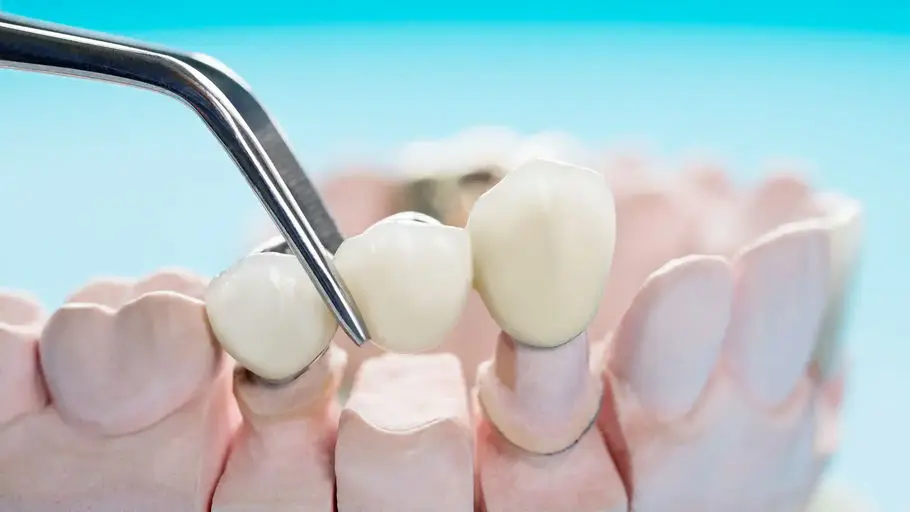
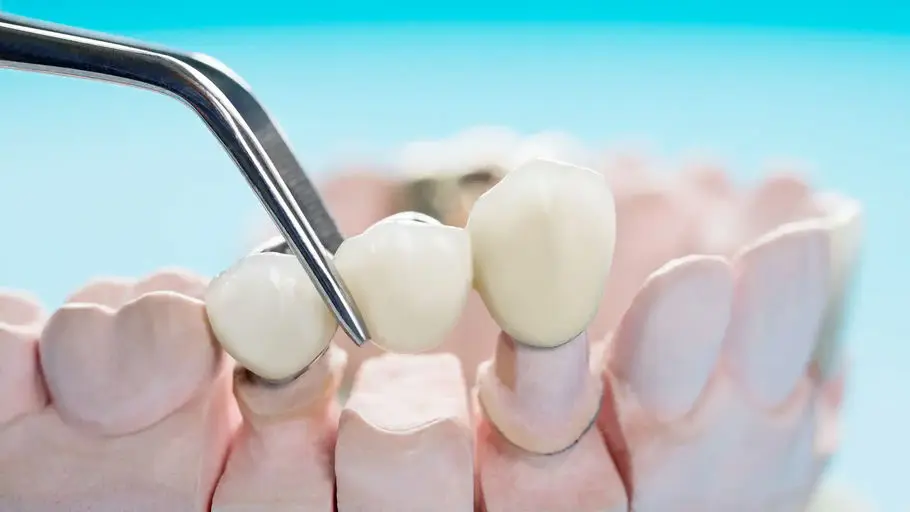
If you have one or more missing teeth, a bridge can be an effective way to fill in the gap.
Unlike removable devices like dentures, which you have to take out and clean daily, crowns and bridges are cemented onto existing teeth and can only be removed by a dentist.
This means they function and feel more like your natural teeth.
If you are missing all of your teeth in your upper and/or lower jaw, you may like to consider an implant-retained denture. Traditional full dentures rely solely on the suction force under the dentures to hold them in place. The strength of the suction force is limited, hence many patients suffer from loose dentures.
Anyone with one or more missing teeth who wants to restore appearance, chewing and bite. The options — implant, bridge or denture — suit different situations; a consultation and an X-ray help match one to your bone, gums, budget and preference. See the individual procedure pages for detail.
Varies by option — a couple of visits for a bridge or denture, or a few months for an implant including healing.
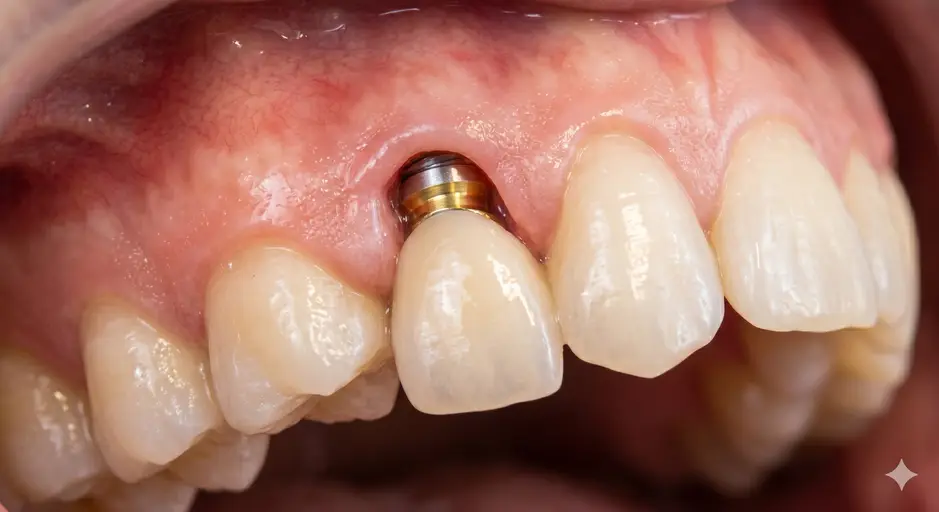
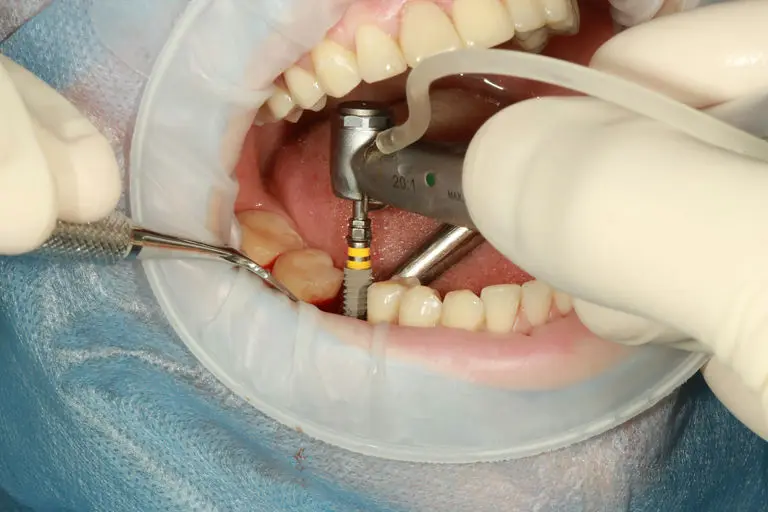
The good news is, older adults are keeping their natural teeth longer. But some people will need dentures, bridges, or another option like dental implants. These devices offer a strong foundation for fixed (permanent) or removable replacement teeth. The implants have an artificial tooth root that the surgeon puts into your jaw to hold a tooth or bridge in place. They may be a good option if you lost a tooth or teeth due to periodontal disease, or an injury. But they're not for everyone. You need to have healthy gums and enough bone to hold the implant in place. Talk to one of our experts to see if they're right for you.
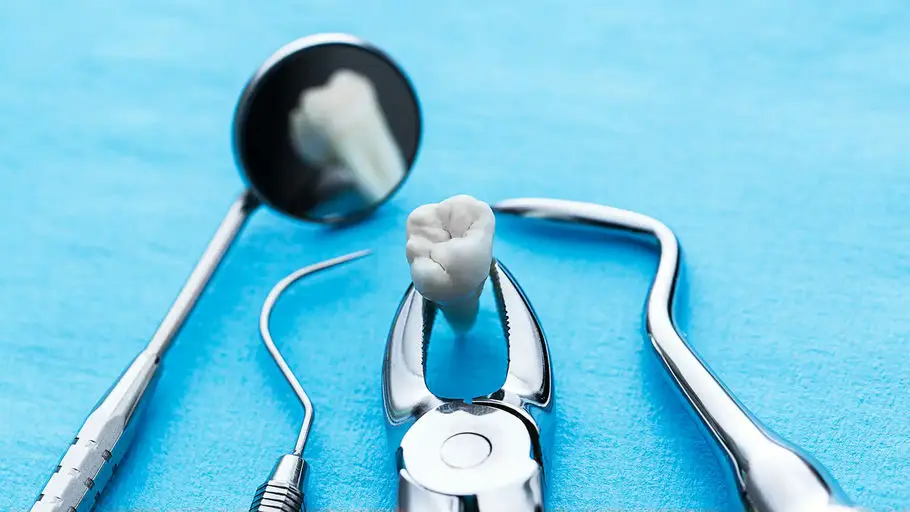
If a permanent tooth is extracted, your dentist may discuss replacement options with you, such as dental implants, bridges, or dentures, depending on your specific situation. It's important to address the tooth loss to maintain proper oral function and aesthetics.
If you are looking for a more permanent solution for replacing missing teeth, you can also consider doing a bridge or implant.
Dental implants can be placed to fill the space where a missing tooth once was. Alternatively, a bridge or denture can be fabricated to fill in the gap as well.
Rebuilds jawbone lost after extractions or gum disease, usually to create enough bone for a dental implant. The graft integrates with your own bone over several months.
A crown caps a weakened or root-treated tooth to restore its shape and strength; a bridge replaces a missing tooth by anchoring onto the teeth beside the gap. Both typically take two visits.
Replaces a missing tooth with a titanium post placed in the jawbone, restored with a crown once healed. From placement to final crown typically takes three to six months.
Thin porcelain or composite shells bonded to the front surface of teeth to change their shape and colour, commonly used for chips, gaps and discolouration.
Removable replacements for missing teeth — full or partial — made of acrylic or metal-framed cobalt-chromium. Fitting takes several appointments, with adjustments as you adapt.
Removal of teeth that cannot be saved due to decay, gum disease, fracture or crowding, done under local anaesthesia. Replacement options are discussed before any extraction.
Dental care adapted for older adults: dry mouth, worn or heavily restored teeth, gum disease and dentures, with treatment planned around medical conditions and medications.
What an implant is, what the surgery involves, and who is a suitable candidate
How the three ways to replace a missing tooth compare on longevity, bone and cost