Crowns and Bridges
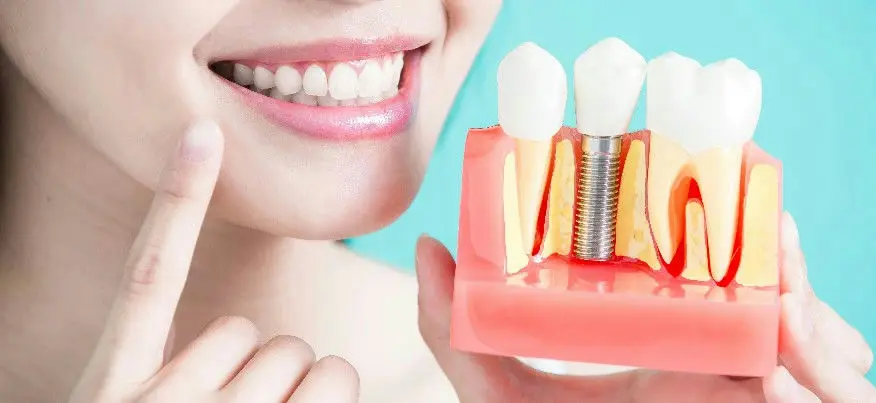
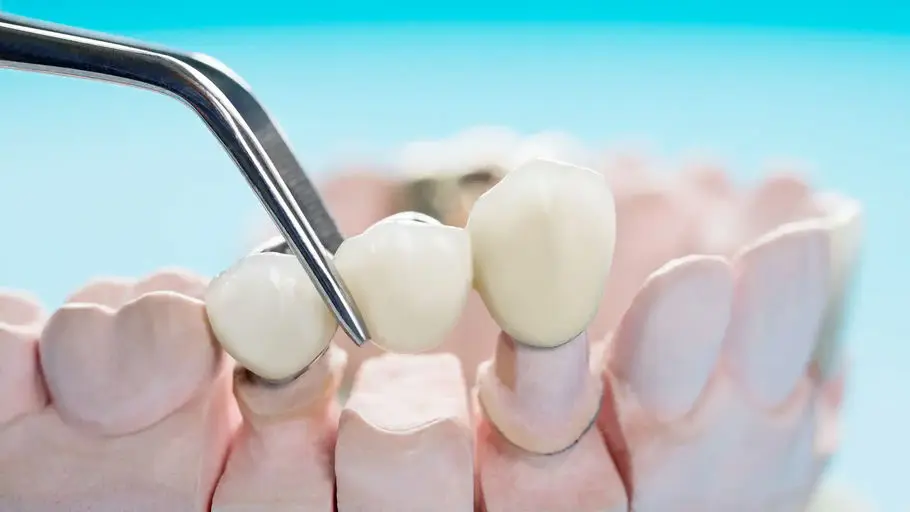
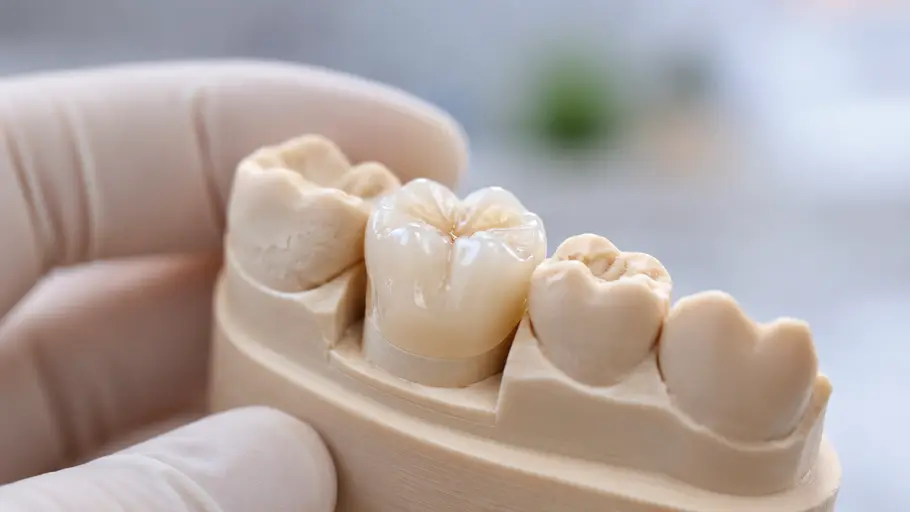
A crown caps a weakened or root-treated tooth to restore its shape and strength; a bridge replaces a missing tooth by anchoring onto the teeth beside the gap. Both typically take two visits.
Medically reviewed by Dr Matthew Sng ·
Removable replacements for missing teeth — full or partial — made of acrylic or metal-framed cobalt-chromium. Fitting takes several appointments, with adjustments as you adapt.

Partial dentures (per jaw): acrylic base S$300; chrome (metal) base S$600. Each denture tooth or clasp is S$30 (S$45 for a high-aesthetic tooth).
Full dentures (per jaw): acrylic base S$600 to S$950; chrome (metal) base S$900 to S$1,250.
The cost varies with the number of teeth replaced, the base material, and aesthetic options.
Dentures are CHAS-subsidised per denture, for one upper and one lower every three calendar years; the amount by card tier and denture type is in the fee tables.
Dentures can be secured with implants for a firmer fit. A set of 4 slim one-piece implants is eligible for MediSave, subject to the applicable withdrawal limits and account balance. See Dental Implants.
Prices are indicative and based on normal case complexity. A consultation is required for a definitive quote.
Dentures are removable replacements for missing teeth. A full denture replaces all the teeth in an arch; a partial denture fills the gaps where some natural teeth remain. They are made either in acrylic or with a cobalt-chromium metal framework.
For a comparison of the options, read our implant, bridge and denture comparison.
Full dentures replace a complete upper or lower arch and rest on the gums.
Partial dentures replace several missing teeth and clasp onto the remaining natural teeth for support. A metal-framed partial is thinner and rigid; an acrylic one is bulkier but simpler to adjust and add to.
Flexible dentures use a softer, gum-coloured material instead of a rigid base, which some people find sits comfortably where the gums are uneven.
The base material counts for comfort as much as the type does. Acrylic can be adjusted chairside and added to if you lose another tooth; a cobalt-chromium framework is thinner, so an upper denture covers less of the palate and food tastes closer to normal.
Your dentist recommends a type based on how many teeth are missing, the shape and health of your gums, and the condition of the teeth that remain.
Dentures are common in later life, when several teeth have been lost over the years. Fitting takes account of any medical conditions and medications, and appointments can be paced to suit.
Where a denture will not stay put — usually a lower one — implants can be placed in the jaw and the denture made to clip onto them. It still comes out for cleaning, but it is held firmly while it is in. This is worth asking about if a previous denture has been hard to keep stable.
The implants are placed first and the jaw is left to heal before the final denture is made, so the sequence commonly runs about three months from surgery to fitting.
Dentures are CHAS-accredited, so cardholders can claim a subsidy where eligible. For current fees by denture type, see the dentures cost guide.
Dentures are offered across our Singapore clinics. Book online, call, or ask on WhatsApp.
People missing several or all of their teeth in an arch who want a removable replacement. Suitability depends on the health and shape of the gums and any remaining teeth. Where a denture would be loose, implants can be added for stability (see Implants).
Fitting usually takes several appointments over a few weeks — impressions, a try-in, then fitting — followed by review visits to adjust the fit as you settle in. Those reviews are part of the process, not a sign something has gone wrong.
New dentures feel unfamiliar for the first few weeks while the mouth adapts; speech and eating improve with practice. Sore spots are common early on and are eased with small adjustments at a review.
A denture can rub or feel loose, especially at first, and the gums and jawbone slowly change shape over the years, so dentures need relining or remaking over time. Taking them out at night and cleaning daily helps keep the gums healthy.
Traditional full dentures can be loose, relying only on suction. Implant-retained dentures are held in place by implants, making them more stable and comfortable for chewing.
This is depending on the severity of the damage of your denture. For simple repairs the dentist might be able to fix it in the same visit. For more serious repairs, the dentures must be sent to the lab for fixing.
Both are removable dentures attached to dental implants. However, implant-supported dentures are both retained and fully supported by an implant bar, unlike implant-retained dentures which still rest partially on the gums.
It is generally recommended to remove dentures while sleeping to allow your gums and supporting tissues to rest. This also provides an opportunity to clean and soak the dentures overnight, promoting oral hygiene.
Generally, dentures can be worn throughout the day. However, as our teeth are more prone to bacteria attacks at night, dentures should be removed before sleeping. This is to prevent the trapping of plaque and bacteria that can result in further complications like gum disease and dental decay.
It may take some time to adjust to wearing dentures. Initially, you may experience some discomfort or soreness, and it can take a few weeks to adapt to speaking and eating with dentures. With practice and gradual acclimation, most individuals become comfortable wearing dentures.
The good news is, older adults are keeping their natural teeth longer. But some people will need dentures, bridges, or another option like dental implants. These devices offer a strong foundation for fixed (permanent) or removable replacement teeth. The implants have an artificial tooth root that the surgeon puts into your jaw to hold a tooth or bridge in place. They may be a good option if you lost a tooth or teeth due to periodontal disease, or an injury. But they're not for everyone. You need to have healthy gums and enough bone to hold the implant in place. Talk to one of our experts to see if they're right for you.
New dentures can feel unfamiliar and may need adjustments. Follow your dentist’s wear schedule. If they cause pain, ulcers or persistent soreness, contact the clinic for an adjustment; do not keep wearing them through severe pain.
Yes, you can eat normally with dentures, but there may be an adjustment period. Start with soft or easily chewable foods and gradually reintroduce harder foods as you become more comfortable. Chewing evenly on both sides of your mouth can help maintain stability while eating.
For full dentures, it usually takes approximately 4 visits across one to two months. for partial dentures, only about 3 visits are required.
If the denture is causing pain, please call our clinic to make an appointment with your dentist. If your dentist is not able to see you by the next two days, you may stop wearing your denture for a while to reduce pain and discomfort. However, if possible, it will be helpful if you wear the denture for at least 1 to 2 days before your appointment, so that your dentist can observe any areas of redness caused by the denture.
Dental implants can be placed to fill the space where a missing tooth once was. Alternatively, a bridge or denture can be fabricated to fill in the gap as well.
Dentures are made to fit perfectly, so if you feel a looseness, they may need to be adjusted. Schedule an appointment as soon as possible. In the meantime, use a denture adhesive to keep them stable till your appointment.
Initially, wearing dentures may slightly affect your ability to taste or speak. However, with time and practice, your tongue and muscles will adapt, and these functions should improve. If you continue to experience difficulties, consult your dentist for adjustments.
You should brush your dentures once a day with a soft-bristled toothbrush to get rid food and plaque residues. This would prevent permanent stains or buildup of plaque. While cleaning your dentures, it is also advisable to place a bowl of water underneath it to minimize the risk of impact in the event of it dropping. After brushing, leave your denture in a glass of tap water to soak overnight.
Unlike implant-retained dentures that rest partially on the gums, implant-supported dentures are fully supported by an implant bar. This makes them more rigid and allows for stronger biting forces.
Consult with our dentist to assess your condition and determine if you are a suitable candidate for the treatment.
Dentures can be held in place using natural suction, denture adhesives, or dental implants. Denture adhesives provide additional stability, especially for lower dentures, while dental implants offer a more secure and permanent solution.
Dentures can last an average of 5 years if proper care is taken.
A crown caps a weakened or root-treated tooth to restore its shape and strength; a bridge replaces a missing tooth by anchoring onto the teeth beside the gap. Both typically take two visits.
Replaces a missing tooth with a titanium post placed in the jawbone, restored with a crown once healed. From placement to final crown typically takes three to six months.
Compare implants, bridges and removable dentures for replacing missing teeth.
Dental care adapted for older adults: dry mouth, worn or heavily restored teeth, gum disease and dentures, with treatment planned around medical conditions and medications.
How the three ways to replace a missing tooth compare on longevity, bone and cost
What to expect in the first weeks with new dentures, and which problems need a review
How full, partial and implant-supported dentures differ in fit, function and cost