Crowns and Bridges
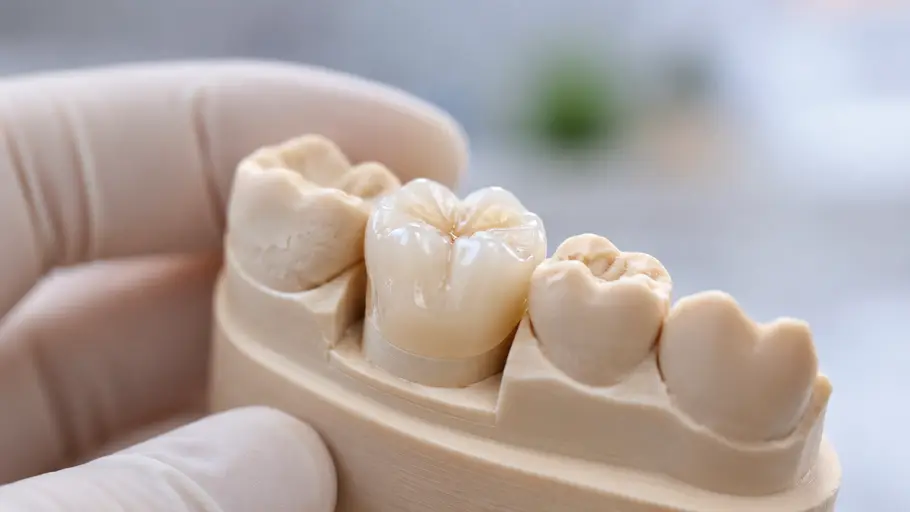
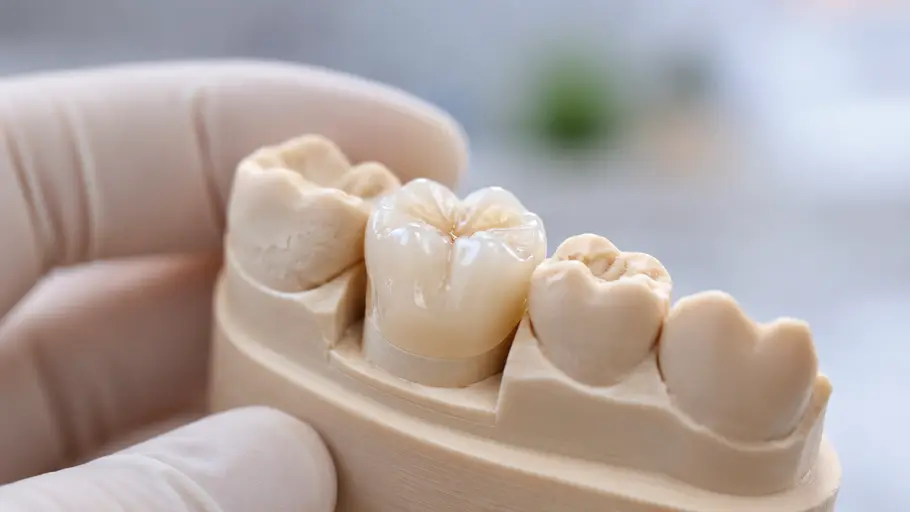
A crown caps a weakened or root-treated tooth to restore its shape and strength; a bridge replaces a missing tooth by anchoring onto the teeth beside the gap. Both typically take two visits.
Medically reviewed by Dr Matthew Sng ·
Removes infected or inflamed pulp from inside a tooth, then cleans, shapes and seals the root canals so the natural tooth can be kept. Usually one to three visits; a crown is often recommended afterwards.
By general dentist: front tooth S$500 to S$700; premolar S$700 to S$900; molar S$1,000 to S$1,300
By specialist (endodontist): front tooth S$700 to S$1,100; premolar S$1,000 to S$1,400; molar S$1,300 to S$1,800
Fees include the X-rays taken during and after treatment, and exclude diagnostic X-rays taken beforehand, the post, core, final crown and medication. Within each band, the fee depends on the tooth, the number of canals, and how complex those canals are to treat.
Patients aged 60 and above can also use Flexi-MediSave (up to S$400/year) towards root canal treatment at CHAS dental clinics from mid-2026.
Prices are indicative and based on normal case complexity. A consultation is required for a definitive quote.
Root Canal Treatment Cost in Singapore (2026): full fee breakdown →
The pulp is the soft tissue inside a tooth that contains its nerve and blood supply. When decay, a crack or an injury lets bacteria reach it, the pulp becomes inflamed or infected.
Signs that this has happened include:
Left untreated, the infection can spread into the bone around the root. Root canal treatment deals with the infection while keeping the tooth in place.
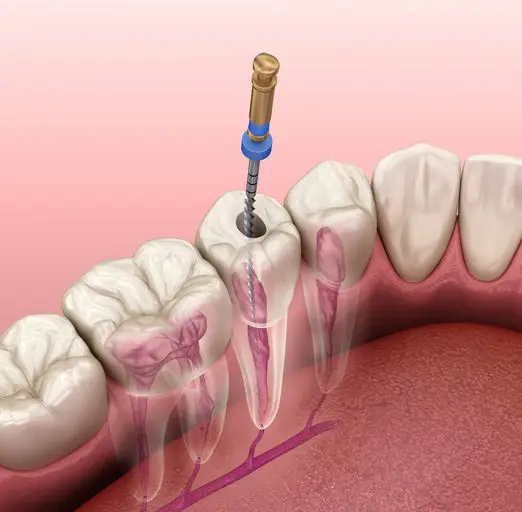
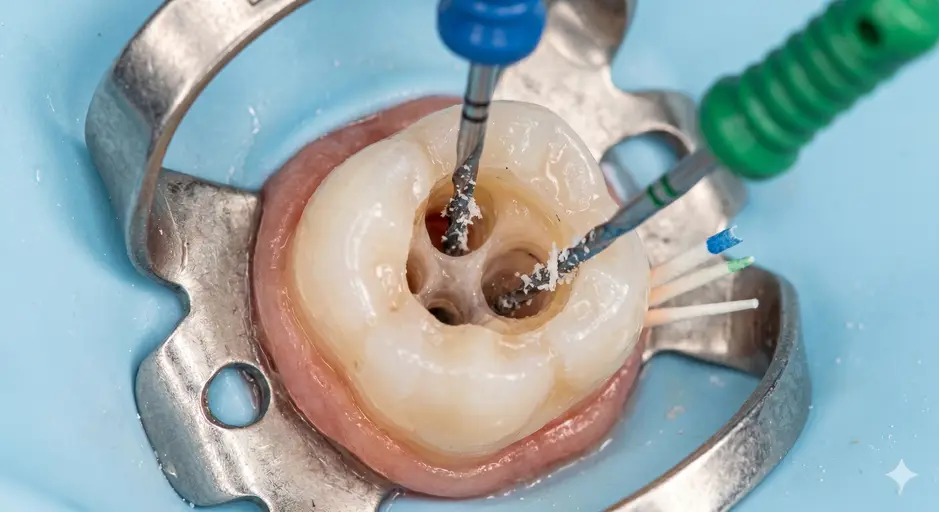
The tooth is numbed, and an opening is made to reach the pulp chamber. The infected pulp is removed, and each canal inside the root is cleaned and shaped along its full length. The canals are then filled and sealed, and the opening is restored.
Treatment usually takes one to three visits depending on the tooth and how many canals it has — front teeth have fewer canals than molars — with each visit commonly around an hour.
Endodontic retreatment is for a tooth that has had a root canal before and has become infected again. The old root filling is taken out, the canals are cleaned and disinfected again, and the tooth is re-sealed.
Vital pulpotomy removes the affected part of the pulp where decay has reached it, leaving the healthy pulp below intact. It is used where the rest of the pulp can still be kept alive.
Revascularisation applies to a young permanent tooth whose root has not finished forming when deep decay or an injury damages the pulp. It aims to let the root complete its development.
Restorability assessment comes first where a tooth is cracked or heavily broken down. Tests and X-rays establish whether the tooth can be restored at all, before root canal treatment is started.
A tooth that has had root canal treatment can become brittle over time, because the treatment removes tissue from inside it. A crown caps the tooth and protects it from fracturing under normal chewing.
Your dentist advises whether a crown is needed for your particular tooth and when to have it fitted.
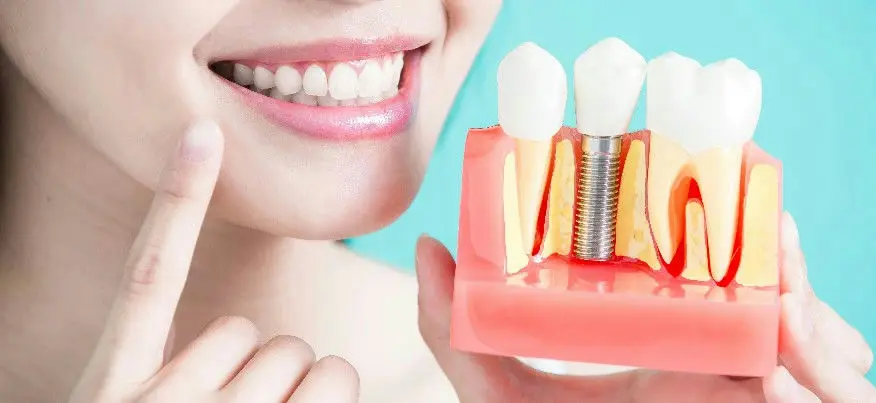
When a tooth is badly broken down, the alternative to root canal treatment is extraction followed by a replacement — usually a dental implant. On cost alone: a root canal and crown at a general dentist totals roughly S$1,500 to S$2,800 (add S$450 to S$500 where a post and core are needed), while a dental implant starts from S$2,600 for an Osstem implant with a metal crown, with the extraction billed separately. Our dental implant price guide itemises those fees.
Cost is not the whole picture. Whether a tooth is worth saving depends on how much sound tooth structure remains, the condition of the root and the surrounding bone, and how the tooth fits into your bite. Both routes have good long-term track records in the right situations — your dentist will assess the tooth and talk through both options with you before anything is decided.
Root canal treatment is CHAS-accredited, so cardholders can claim a subsidy where eligible. For current fees by tooth type and how the crown is priced separately, see the root canal cost guide.
A general dentist can assess a painful or damaged tooth and discuss whether root canal treatment is appropriate. Complex cases can be assessed by a specialist in endodontics, the field concerned with the inside of the tooth and its root canals.
Use the treating-dentist list for a general dental appointment, or view our root canal specialist and practising clinics for specialist care. Compare general-dentist and specialist root canal fees before your consultation.
People with a tooth whose nerve is infected or inflamed — often felt as lingering sensitivity, pain on biting, or an abscess — where the tooth is otherwise worth keeping. It is the alternative to removing the tooth; a badly broken-down tooth is assessed first to confirm it can be saved.
Usually one to three visits depending on the tooth and the number of canals, each commonly around an hour. A crown is often fitted afterwards to protect the treated tooth.
The tooth may feel tender for a few days, especially when biting, and settles with simple pain relief. You can usually eat normally once any numbness wears off; chewing on the other side until a crown is placed helps protect the tooth.
Many treated teeth last for years, but occasionally an infection persists or returns and the tooth needs re-treatment or, rarely, removal. A treated tooth can become more brittle over time, which is why a crown is often recommended afterwards.
The alternative to root canal treatment is extracting the tooth. However, it is generally recommended to save the natural tooth whenever possible as it helps maintain proper biting and chewing function, prevents shifting of adjacent teeth, and preserves the jawbone structure.
Root canal treatment is necessary when the pulp of a tooth becomes infected or inflamed due to deep decay, a cracked tooth, or trauma. It is performed to save the tooth from extraction and to relieve pain and discomfort caused by the infection.
It is not unusual for a thin layer of temporary filling to wear off in-between appointments. However, if the entire filling wears off or dislodges, please contact our clinic so we can arrange to have it replaced.
Root canal treatment, also known as endodontic treatment, is a dental procedure that involves removing infected or damaged pulp from the inside of a tooth. The pulp is then cleaned, disinfected, and sealed to prevent further infection and save the tooth.
Local anaesthesia is used to numb the tooth and surrounding tissues. Tell your dentist if you feel pain during treatment so they can assess it. The tooth may feel tender afterwards. Contact the clinic if pain is severe, worsens or does not settle.
After a root canal treatment, the tooth may require a dental crown or filling to restore its strength and protect it from further damage. Your dentist will discuss the appropriate restoration options for your specific case.
The treatment has two stages: 1) Cleaning and disinfecting the canal and 2) Filling the canal to prevent bacterial regrowth. These stages can be performed in one or more sessions, depending on the tooth's condition. After treatment, the tooth is restored with a filling or crown.
Yes, in most cases, you can drive yourself home after a root canal treatment. The local anaesthesia used during the procedure wears off relatively quickly, allowing you to resume your daily activities. However, if you receive sedation or if you feel uncomfortable driving, arrange for someone to drive you home.
Your tooth and surrounding gum tissue may be tender or sore for a few days, especially if there was pain or infection before the procedure. You may also feel some tenderness in your jaw from keeping it open for an extended period of time during the treatment.
In rare cases, a tooth that has undergone root canal treatment can get reinfected. This may occur if the tooth was not properly sealed, there was a fracture in the tooth, or new decay developed. Regular dental check-ups and good oral hygiene are crucial for monitoring and preventing reinfection.
A root-treated tooth may remain functional for many years. Its outlook depends on the original damage, the final restoration, oral hygiene and follow-up care. Persistent or recurrent infection may require retreatment or extraction.
If you would like to request for an MC, kindly raise your concern to your treating dentist and he/she will assess your condition to see if you require medical leave.
The cost of root canal treatment varies depending on factors such as the tooth's location, complexity of the case, and the need for additional procedures. While root canal treatment may require a significant investment, it is often more cost-effective than tooth extraction followed by tooth replacement options like dental implants or bridges.
Simple root canal cases can be performed by our general dentists. Complex cases, such as molars with many canals or re-treatment of failed root canals, will be referred to our in-house specialists.
Yes, a cracked tooth can lead to tooth sensitivity, especially when biting or chewing. Cracked teeth should be evaluated by a dentist and may require treatment, such as bonding, a dental crown, or root canal therapy.
Depending on the severity of the tooth, the duration of each appointment varies between 30 and 90 minutes.
Do not eat or drink anything for the first half an hour after your treatment. The temporary filling in your tooth takes about half an hour to harden. Also, avoid chewing on the affected site until your tooth has been restored with a permanent restoration, as the tooth is still fragile and unprotected. Switching to a softer diet may be necessary but otherwise, you may eat what is comfortable on the opposite side.
A crown caps a weakened or root-treated tooth to restore its shape and strength; a bridge replaces a missing tooth by anchoring onto the teeth beside the gap. Both typically take two visits.
Same-day dental care for urgent problems — toothache, a broken or knocked-out tooth, swelling, or a lost filling or crown. Book an urgent slot by region, or call, and we will see you at the nearest available clinic.
Replaces a missing tooth with a titanium post placed in the jawbone, restored with a crown once healed. From placement to final crown typically takes three to six months.
Emergency and follow-up care for knocked-out, broken or displaced teeth and injuries to the jaws and face, from splinting and re-implantation to surgical repair.
Sedation options for anxious patients and longer procedures, ranging from inhalation and intravenous sedation to general anaesthesia for selected cases.
Diagnosis and treatment of teeth that ache with cold, heat or sweet food. Depending on the cause, options range from desensitising agents and fillings to gum or root canal treatment.
What happens at each visit, how long recovery takes, and how pain is managed
Patients aged 60 and above can use Flexi-MediSave towards a crown or root canal treatment
How to weigh saving a tooth against removing it, and what follows either decision
The symptoms that point to an infected tooth nerve, and which of them need urgent care