Root Canal vs Extraction: Save the Tooth or Remove It?

Medically reviewed by Dr Matthew Sng , Clinical Director
Last reviewed
How to weigh saving a tooth against removing it, and what follows either decision
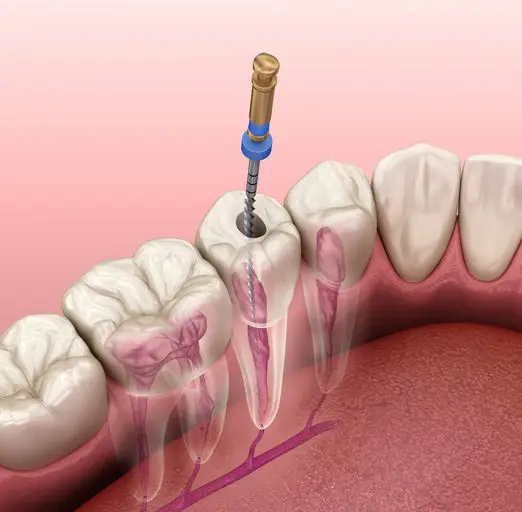
When the pulp (nerve) inside a tooth becomes infected or inflamed, there are usually two options — a root canal to save the tooth, or an extraction to remove it.
At a glance
| Root canal | Extraction | |
|---|---|---|
| What happens | Infected pulp removed, canal cleaned and sealed, tooth restored with a crown | The tooth is removed |
| Keeps your tooth | Yes | No |
| Upfront cost | Higher | Lower |
| After-effects | Maintains your bite and spacing | Leaves a gap that usually needs replacing later |
| Visits | One or two | Usually one |
Why saving the tooth is often preferred
A root canal keeps your natural tooth, which maintains your bite and stops neighbouring teeth from shifting. An extraction is simpler and cheaper upfront, but the gap often needs replacing with an implant, bridge, or denture to stop nearby teeth drifting and the jawbone shrinking — and replacing a tooth usually costs more than saving it.
How the decision is made
Dentists generally aim to keep a natural tooth where it's sensible, and recommend extraction when a tooth is too damaged to save. A consultation and an X-ray guide the decision for your specific tooth. MediSave may apply to surgical extractions, and patients aged 60 and above can use Flexi-MediSave towards root canal treatment. Book an assessment and we'll talk through the right option for you.