
Emergency Dentistry
Same-day dental care for urgent problems — toothache, a broken or knocked-out tooth, swelling, or a lost filling or crown. Book an urgent slot by region, or call, and we will see you at the nearest available clinic.
Medically reviewed by Dr Matthew Sng ·
Diagnosis and treatment of teeth that ache with cold, heat or sweet food. Depending on the cause, options range from desensitising agents and fillings to gum or root canal treatment.

At Advanced Dental, our dentists provide dental treatments for tooth sensitivity. Do you experience a shock of pain when taking hot or cold drinks? Do sweet or sour foods cause your teeth to tingle? These symptoms of tooth sensitivity can be a major annoyance. That's why we want to help you treat this issue.
Tooth sensitivity is a result of the exposure of dentine, the layer of the tooth that covers the nerve. This may occur due to:
If you suffer from tooth sensitivity, you may feel pain in your teeth when there is a fluctuation in temperature, or when you consume acidic foods. It is advisable to consult your dentist to understand the cause behind your tooth sensitivity so that they can advise you on the kind of treatment you should go for, depending on your condition.
People whose teeth ache or twinge with cold, heat, sweet food or air. The cause is checked first — it can range from exposed root surfaces and worn enamel to a cavity, crack, or gum problem — because the right treatment depends on the cause.
Often assessed and managed in a single visit; some causes need follow-up or further treatment such as a filling, gum treatment or root canal.
Depends on the cause and treatment. Desensitising measures may take a little time to take effect; the dentist advises on toothpaste and habits that help.
Sensitivity that is ignored can mask a treatable problem such as decay or a cracked tooth, so it is worth getting checked rather than only managing the symptom.
Dentin sealing is done to alleviate tooth sensitivity caused by exposed dentin, which can result from conditions like gum recession, enamel erosion, or tooth wear. The sealant provides a protective barrier, reducing sensitivity.
Tooth sensitivity is a temporary, sharp, or brief discomfort when exposed to certain triggers, such as cold or hot foods/drinks, sweets, or air. A toothache, on the other hand, is often a persistent or throbbing pain caused by an underlying dental problem, such as decay or infection.
Maintaining good oral hygiene, using a fluoride toothpaste, avoiding excessive consumption of acidic or sugary foods and drinks, and visiting the dentist regularly for check-ups and cleanings can help prevent tooth pain and sensitivity.
Home remedies for tooth sensitivity include using desensitizing toothpaste, avoiding acidic foods and drinks, practicing good oral hygiene, and using a soft-bristled toothbrush
It is common to experience some sensitivity after dental procedures like fillings, crowns, or root canal therapy. However, if the sensitivity persists or worsens over time, it's important to consult your dentist.
Dentin sealing is a dental procedure that involves applying a protective sealant to exposed dentin surfaces. It is commonly used to treat dental hypersensitivity and to protect exposed dentin from external stimuli.
Dentin sealing is a minimally invasive and generally painless procedure. Local anaesthesia is typically not required. Patients may experience mild discomfort, if any, during or after the procedure.
Dentin sealants are often composed of materials like resin-based desensitizers, dental adhesives, or fluoride-containing products. These materials help form a durable and protective barrier on the dentin surface.
The longevity of dentin sealing effects can vary. It may provide relief from tooth sensitivity for an extended period, but the duration depends on factors such as oral hygiene, diet, and the individual's oral health
Tooth sensitivity can be caused by various factors, including exposed tooth roots, tooth decay, worn enamel, gum recession, cracked teeth, or dental procedures that irritate the tooth nerves.
Tooth sensitivity can be an indication of an underlying dental issue, such as tooth decay or gum disease. It's important to consult a dentist to determine the cause and receive appropriate treatment.
The procedure involves thoroughly cleaning and drying the tooth surface, followed by the application of a dentin sealant. The sealant creates a protective layer over the exposed dentin, preventing external stimuli from reaching the nerve endings
Yes, tooth sensitivity can often be treated. The appropriate treatment will depend on the underlying cause. Treatment options may include desensitizing toothpaste, fluoride treatments, dental bonding, gum grafting, or other dental procedures recommended by your dentist.
Side effects are rare, but some individuals may experience temporary tooth sensitivity after the procedure. This sensitivity typically resolves on its own, and dentists may recommend desensitising toothpaste for relief.
While dentin sealing primarily aims to reduce sensitivity, it may offer some protection against cavities. However, it is not a substitute for proper oral hygiene practices and regular dental check-ups.
When dentine is exposed, the nerves beneath are more easily triggered by external stimuli, such as changes in temperature or acidity. Hence, foods that affect these conditions will cause a shock in your teeth.
Same-day dental care for urgent problems — toothache, a broken or knocked-out tooth, swelling, or a lost filling or crown. Book an urgent slot by region, or call, and we will see you at the nearest available clinic.
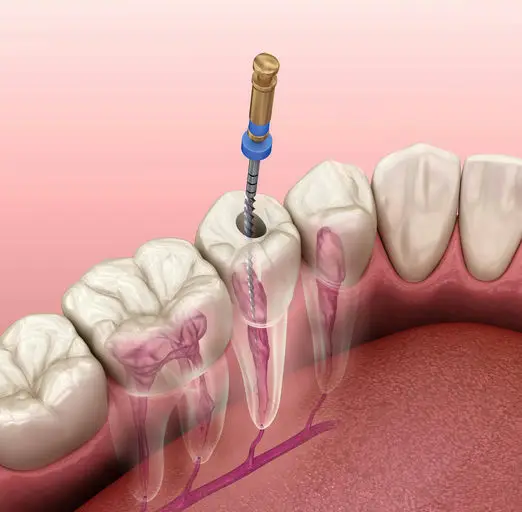
Removes infected or inflamed pulp from inside a tooth, then cleans, shapes and seals the root canals so the natural tooth can be kept. Usually one to three visits; a crown is often recommended afterwards.
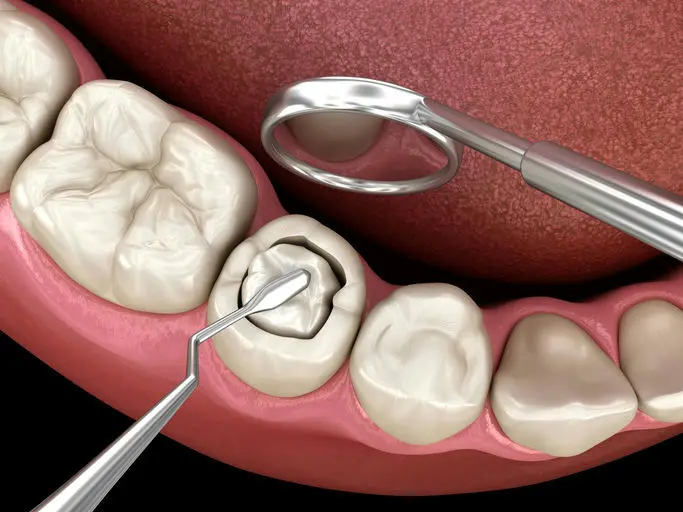
Repairs teeth damaged by decay, chips or wear: the damaged portion is removed and the tooth is rebuilt with tooth-coloured filling material, usually in a single visit.