
Family Dentistry
Day-to-day dental care for all ages — check-ups, cleaning, fillings, extractions and preventive care — for the whole household at one clinic.
Medically reviewed by Dr Matthew Sng ·
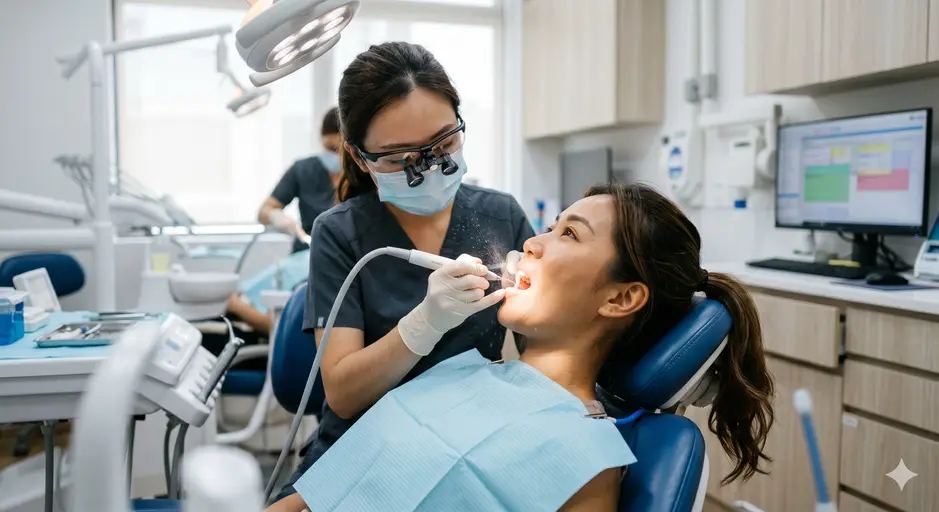
A dental examination, scaling and polishing to remove plaque, tartar and surface stains.
Scaling & polishing (simple): S$70 to S$100
Scaling & polishing (complex): S$110 to S$130
Topical fluoride (optional add-on): S$30
Consultation (general dentist): S$20 to S$40 (a Simple Consultation — waived for regular patients)
Whether scaling is simple or complex depends on your oral hygiene.
CHAS subsidises the consultation, the scaling and the polishing; the amount by card tier is in the fee tables.
Prices are indicative and based on normal case complexity. A consultation is required for a definitive quote.
Teeth Cleaning Cost in Singapore: Scaling & Polishing (2026): full fee breakdown →
It is important to come for regular check-up and cleaning appointments with your dentist. Even if you brush and floss regularly and with the proper technique, bacteria and plaque can still lurk in places you cannot see with your naked eye. We recommend a visit every 6 months.
Scaling gets rid of plaque, tartar and bacterial toxins on the teeth. This helps to keep your teeth and gums healthy, preventing gum disease and bad breath. If you are experiencing bleeding gums, you may have an early stage of gum disease and may be required to do a more intensive gum treatment called root planing.
Polishing is usually performed after scaling to eliminate stains caused by coffee, tea or red wine. Normally, your dentist will use a soft rubber cup together with a mildly gritty paste to polish your teeth. Sometimes, a “prophyjet” may be used. This instrument will blast a spray of powder on your teeth to remove more stubborn stains. Polishing will leave your pearly-whites smooth and clean.
Fluoride is an important mineral that helps keep tooth decay at bay. We recommend that you have fluoride treatment done every 6 months, together with your routine scaling and polishing, for your teeth and gums to stay healthy.
The enamel layer of our teeth will gradually be eroded by the acidic food and drinks that we consume or the acids that are produced by bacteria in the mouth. Fluoride treatments done in a dental clinic can help to strengthen our tooth enamel, through the process of “remineralization”. This helps prevent and even reverse tooth decay. The fluoride, which may take the form of a gel, cream or varnish, will be applied to your teeth and left there to be absorbed.
Everyone, as routine preventive care — usually about every six months, or as advised based on your gum health and risk of decay. Suitable for all ages.
A single visit, commonly 30 to 45 minutes for an examination with scaling and polishing.
None needed. Gums may feel slightly tender and teeth a little sensitive for a day after a thorough clean, which settles quickly.
Scaling can cause short-lived sensitivity, especially where there is gum recession or heavier tartar. Regular visits help catch problems early, when they are simpler to treat.
Scaling and polishing are effective in preventing and managing early stages of gum disease (gingivitis). Advanced cases of gum disease may require additional periodontal treatments.
Before your appointment, make sure to brush and floss your teeth properly. It is also helpful to provide your dentist with any updates about your medical history and current medications.
Even with diligent oral hygiene practices, it is still necessary to have professional scaling and polishing. Regular brushing and flossing help prevent plaque buildup, but they cannot remove tartar that has already formed. Professional cleaning is crucial for thorough removal of tartar and maintaining optimal oral health.
Scaling and polishing can help remove surface stains and discoloration caused by plaque and tartar buildup. However, it is not a tooth whitening procedure. If you desire a significant improvement in tooth colour, your dentist may recommend additional whitening treatments.
The duration varies based on factors like plaque buildup and individual oral health. Typically lasting 30 minutes to an hour, the procedure involves using specialised tools to remove plaque and tartar, followed by tooth polishing. Regular sessions every six months are crucial for preventive dental care, with frequency adjusted as per individual needs and dentist recommendations.
Scaling and polishing are usually painless procedures. You may experience some mild discomfort or sensitivity during the process, particularly if you have sensitive teeth or gum disease. Your dentist can take steps to minimize any discomfort, such as using a local anaesthetic or desensitizing agents.
The duration of a dental check-up and cleaning can vary depending on individual needs and the condition of your teeth and gums. On average, it takes around 45 minutes to an hour to complete the process.
While regular cleanings focus on the surfaces of the teeth above the gumline, root planing targets the tooth roots below the gumline. It is a more extensive cleaning procedure designed to address early stages of gum disease.
You may experience some slight sensitivity in your tooth after the treatment, especially if you have existing tooth sensitivity or gum recession. If you have gum disease, the roots of your teeth are no longer protected by your gums and become covered by plaque and tartar. After removing plaque and tartar, the roots become more exposed and will feel more sensitive. Some things that may help reduce sensitivity are using a sensitivity toothpaste or having your dentist apply a fluoride varnish after the cleaning. You should also avoid consuming acidic foods and drinks (eg coffee, tea, citrus fruits) or using whitening products immediately before and after your scaling and polishing appointment.
It is normal to experience slight bleeding during/after your scaling and polishing. The bleeding will usually stop after a while.
Regular dental check-ups and cleanings are important for maintaining oral health. They allow dentists to detect and address any dental issues early on, prevent the progression of oral diseases, and keep teeth and gums clean and healthy.
Scaling and polishing is a dental procedure that involves removing plaque, tartar, and stains from the teeth. It helps to maintain oral hygiene, prevent gum disease, and promote overall dental health.
For maximum benefit, you should not rinse, eat or drink for 30 minutes following the treatment.
Scaling and polishing are generally safe procedures with minimal side effects. Some individuals may experience temporary tooth sensitivity, gum tenderness, or minor bleeding during the process. These effects typically subside shortly after the procedure.
Scaling and polishing are essential components of gum disease treatment. They are effective at the early stage (gingivitis) and at removing the plaque and tartar buildup that drives the disease, which helps control and manage it. They cannot cure advanced gum disease, however — advanced cases may require additional periodontal treatment.
During a dental check-up, the dentist will examine your teeth, gums, and mouth for any signs of decay, gum disease, oral cancer, or other dental problems. X-rays may be taken to detect any underlying issues not visible to the naked eye.
Fluoride treatment during a cleaning helps strengthen the tooth enamel, making it more resistant to decay. It can also help reverse early stages of tooth decay, protect sensitive teeth, and reduce the risk of cavities.
Scaling can remove some surface stains, but polishing is more effective for stain removal. Polishing helps smooth tooth surfaces and enhances the overall appearance of the teeth.
Fluoride treatments strengthen the bonding of calcium in tooth enamel to prevent cavities. A fluoride gel, cream, or varnish is applied to your teeth and left to be absorbed. For maximum benefit, do not rinse, eat, or drink for 30 minutes after the treatment.
It is recommended that you undergo fluoride treatment and take an x-ray together with your routine scaling and polishing. Generally, fluoride treatment and x-rays should be done every 6 months and 1 to 2 years respectively. If decay is identified during these check-ups, your dentist may suggest doing a filling in the same appointment if time permits.
When performed by a trained dental professional, scaling and polishing should not damage the enamel. The procedure is designed to remove harmful deposits without causing harm to the tooth structure. However, excessive or improper scaling can potentially damage the enamel, which is why it's important to have it done by a qualified dentist or hygienist.
You can eat after scaling and polishing. If a fluoride gel is applied, wait 30 minutes before eating, drinking, or rinsing your mouth.
Yes, scaling and polishing are safe for children and are often part of routine dental care to maintain good oral health from an early age.
It is generally recommended to have a dental check-up and cleaning every six months. However, your dentist may suggest more frequent visits based on your individual oral health needs.
Day-to-day dental care for all ages — check-ups, cleaning, fillings, extractions and preventive care — for the whole household at one clinic.
Treats gingivitis and periodontitis (gum disease), from deep cleaning of the root surfaces (scaling and root planing) to gum surgery where bone loss has occurred.
Check-ups, preventive care and treatment for infants, children and teens, paced to each child’s needs.
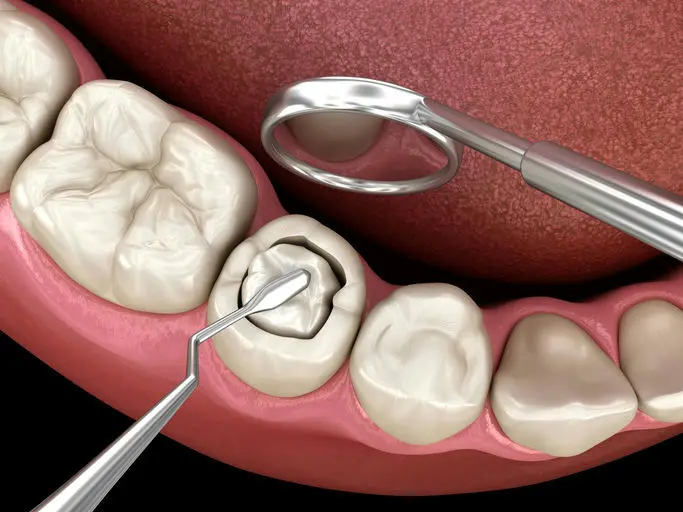
Repairs teeth damaged by decay, chips or wear: the damaged portion is removed and the tooth is rebuilt with tooth-coloured filling material, usually in a single visit.
Digital radiographs that show decay between teeth, infection around roots, and bone changes not visible during a visual examination, at low radiation doses.
How check-up frequency is decided, and why it differs between patients