
Family Dentistry
Day-to-day dental care for all ages — check-ups, cleaning, fillings, extractions and preventive care — for the whole household at one clinic.
Medically reviewed by Dr Matthew Sng ·
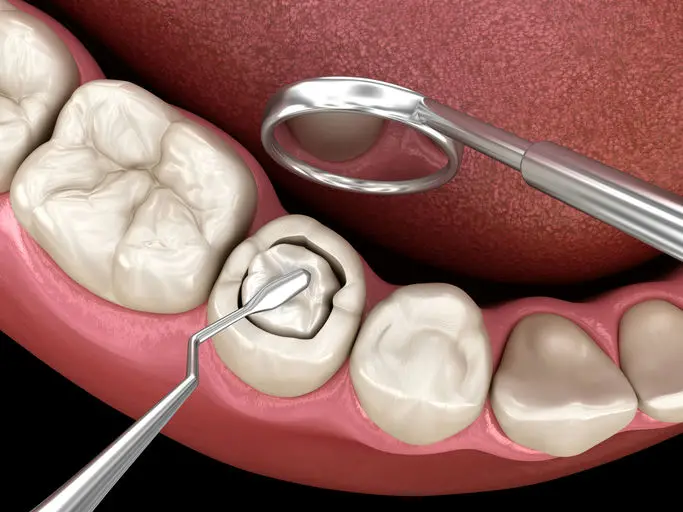
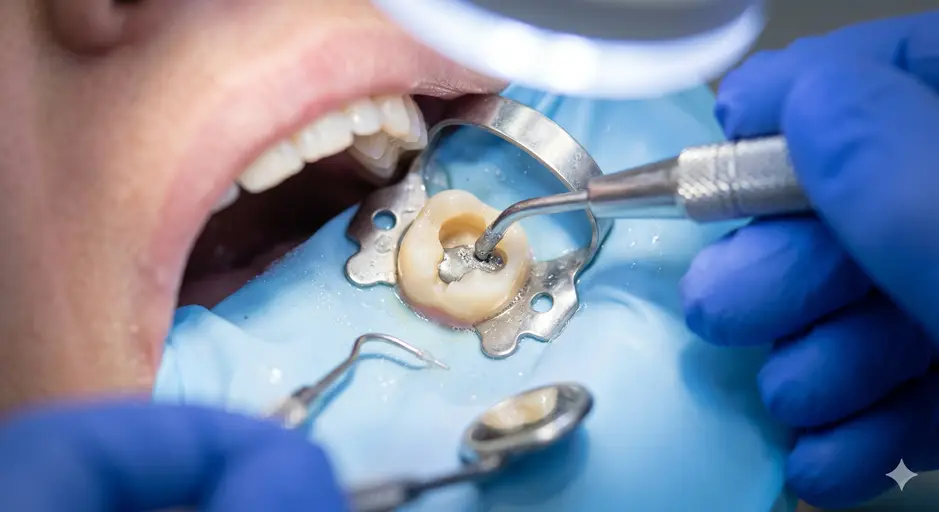
Repairs teeth damaged by decay, chips or wear: the damaged portion is removed and the tooth is rebuilt with tooth-coloured filling material, usually in a single visit.
Simple filling: S$70 to S$100
Complex filling (1–2 surfaces): S$110 to S$150
Complex filling (3 or more surfaces): S$150 to S$180
Prices exclude consultation.
Up to 6 fillings per calendar year (shared across all types). CHAS pays up to (Orange / Blue / MG / PG):
Simple filling - S$20 / S$30 / S$35 / S$40
Complex filling - S$33.50 / S$50 / S$55 / S$60
For CHAS Blue/Orange cardholders and Merdeka (MG)/Pioneer (PG) Generation seniors. Amounts correct as of October 2025.
Prices are indicative and based on normal case complexity. A consultation is required for a definitive quote.
Fillings are restorative dental treatments used to repair teeth affected by cavities, cracks, or minor fractures. They help restore the tooth’s shape, function, and integrity while preventing further decay.
We offer a range of filling materials, including composite resin (tooth-coloured), amalgam (silver), gold, and ceramic. Our team will recommend the most suitable option based on your needs and preferences.
The process involves removing decayed or damaged tooth material, cleaning the area, and filling the space with a durable material. The procedure is quick, comfortable, and typically completed in a single visit.
Maintain good oral hygiene and regular dental check-ups to ensure the longevity of your fillings and overall oral health.
People with a tooth damaged by decay, a chip or wear that can be repaired without a crown. The dentist checks how much healthy tooth remains; a heavily broken-down tooth may need a crown or other treatment instead.
Usually a single visit, commonly 20 to 40 minutes for one tooth.
You can usually eat once any numbness wears off. The tooth may be sensitive to hot and cold for a short while, which settles; let the dentist know if the bite feels high.
A filling can wear, chip or come away over time and may eventually need replacing, and decay can form at its edges without good cleaning. A deep filling occasionally leaves a tooth sensitive or, rarely, needing root canal treatment later.
Dental fillings can be made from tooth-colored materials, such as composite resin, which closely matches the color of your natural teeth. This allows for a discreet and natural-looking restoration. However, amalgam (silver) fillings may be more noticeable due to their color.
To care for dental fillings, maintain good oral hygiene by brushing your teeth twice a day, flossing daily, and visiting your dentist regularly. Avoid chewing on hard objects or biting down forcefully on the filled tooth. If you notice any issues with your filling, such as sensitivity or pain, contact your dentist for evaluation.
The longevity of a filling depends on your oral hygiene, the type of material used, the location of the filling and your chewing and biting habits.
It is generally recommended to wait until the local anaesthesia wears off before eating or drinking to avoid injury to the soft tissues of the mouth. Once the numbness subsides, you can resume your normal eating and drinking habits.
Yes, dental fillings can be replaced if they become worn, damaged, or need to be updated. Regular dental check-ups will help determine if replacement is necessary. Your dentist can discuss the available options and recommend a suitable next step.
Fillings are used to replace tooth structure damaged by decay, abrasion, or acid erosion. The dentist removes the decayed material, cleans the area, and fills it with a filling material to prevent further decay.
There are several types of dental fillings, including amalgam (silver) fillings, composite (tooth-colored) fillings, gold fillings, and porcelain fillings. The choice of filling material depends on factors such as the location of the cavity, aesthetic preferences, and budget.
You may need a dental filling if you have a cavity or tooth decay. Common signs include tooth sensitivity, pain, visible holes or pits on the tooth surface, or a rough texture. Your dentist will examine your teeth and determine if a filling is necessary.
The time required for a dental filling depends on the size and location of the cavity. In most cases, it can be completed in a single dental visit, usually within 30 minutes to an hour.
At Advanced Dental, we mostly use tooth-coloured resin materials for our fillings. This type of material is strong and quick to harden, and also matches the colour of your tooth, making them more aesthetic.
Dental fillings are materials used to repair and restore teeth that have been affected by decay, cavities, or minor damage. They help to restore the tooth's function, shape, and strength.
There may be some sensitivity while decay is being removed from your tooth, especially if the decay is near to the nerve. If the sensitivity is unbearable, please raise this to your dentist. Local anaesthesia can be administered to give you a more comfortable treatment.
Day-to-day dental care for all ages — check-ups, cleaning, fillings, extractions and preventive care — for the whole household at one clinic.
A dental examination, scaling and polishing to remove plaque, tartar and surface stains.
Diagnosis and treatment of teeth that ache with cold, heat or sweet food. Depending on the cause, options range from desensitising agents and fillings to gum or root canal treatment.
The filling materials in use, how they differ, and what a visit involves