What Exactly Does an Oral and Maxillofacial Surgeon Specialist (OMS) Do?

Medically reviewed by Dr Matthew Sng , Clinical Director
Last reviewed
The training an OMS completes, and the conditions a general dentist refers to one
An Oral and Maxillofacial Surgeon (OMS) is a dental specialist who handles surgery of the mouth, teeth, jaws, and face — the procedures your general dentist refers out when they involve complex anatomy or surgical care.
How an OMS fits in
You see your family dentist for routine check-ups, scaling, and the occasional filling. When a specific problem arises — a deeply impacted wisdom tooth, a dental implant, a jaw cyst — your dentist may refer you to an OMS.
Think of your general dentist as your primary care provider for your teeth, and the OMS as the surgical specialist they collaborate with. In Singapore, becoming an accredited OMS requires years of additional hospital-based surgical residency after dental school. That training covers detailed facial anatomy, pain and anxiety management, and the safe treatment of patients with complex medical histories.
What an OMS handles
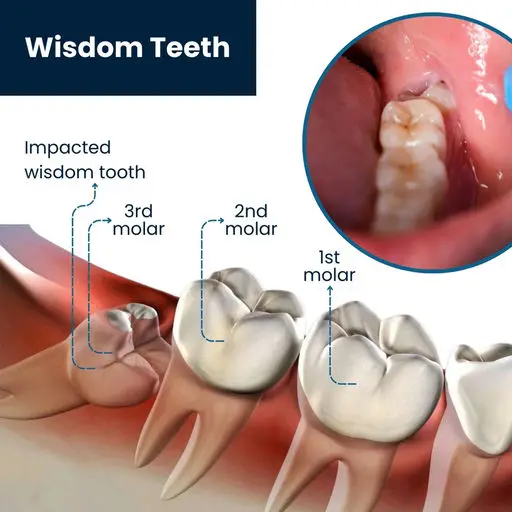
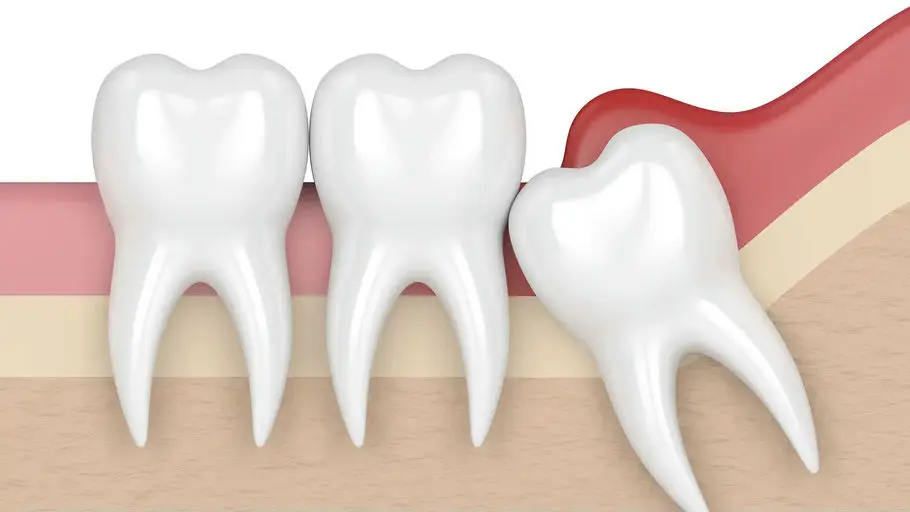
- Wisdom tooth surgery: removing impacted or awkwardly positioned wisdom teeth while protecting the nerves in the lower jaw and the sinuses above.
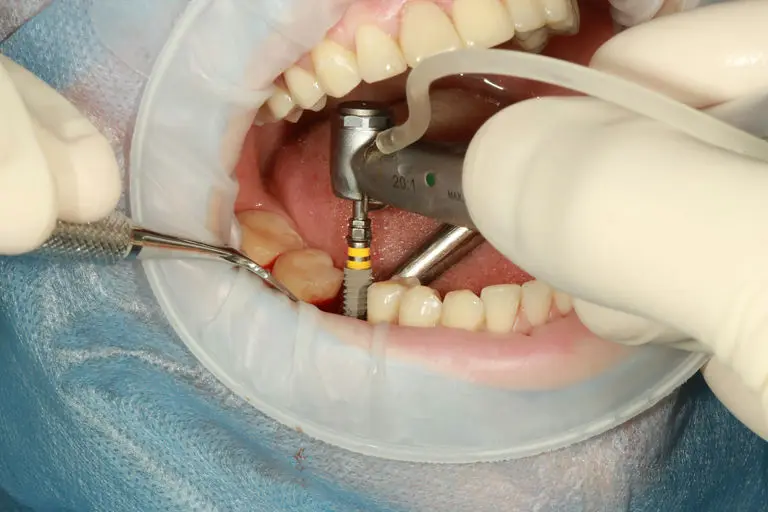
- Dental implants and bone grafting: surgical placement of implants, plus bone grafts or sinus lifts to build a secure foundation.
- Biopsies and pathology: diagnosing and managing jaw cysts, tumours, bone infections, or abnormal growths in the jaw, gums, and mouth.
- Complex medical histories: tailoring surgical and monitoring plans for patients with underlying conditions or specific medications.
- Jaw-joint disorders (TMD): treating jaw-joint and muscle problems that cause facial pain, clicking, or restricted movement. Botulinum toxin injections can help relieve jaw pain and reduce teeth grinding.
- Sedation options: tailored anaesthesia, from local anaesthesia to IV sedation, to keep you relaxed and comfortable.
Planning and care
A key part of OMS work is careful surgical planning. We rely on 3D imaging (CBCT) for a full view of your facial anatomy — detail that standard 2D X-rays can't always provide — and map out the procedure before it begins.
An OMS establishes a healthy surgical foundation; once you've healed, your care returns to your regular dentist for the final restorative or cosmetic work. Because we perform these procedures every day, we take the time to explain each step, discuss sedation, and make sure you feel informed before we begin.
Referred for oral surgery? Book a consultation and we'll walk you through what's involved.