Wisdom Teeth: Care, Pain & When to Remove

Last reviewed
Understand wisdom tooth symptoms, treatment options, and the right time for removal
Wisdom teeth, also known as third molars, typically emerge in late adolescence or early adulthood. While they can be a valuable asset if they grow in properly aligned, they often cause issues such as pain, crowding, and infection due to their late arrival and limited space in the mouth. In this blog post, we'll delve into the significance of wisdom teeth and provide essential tips on how to care for them to maintain optimal oral health.
Understanding Wisdom Teeth:
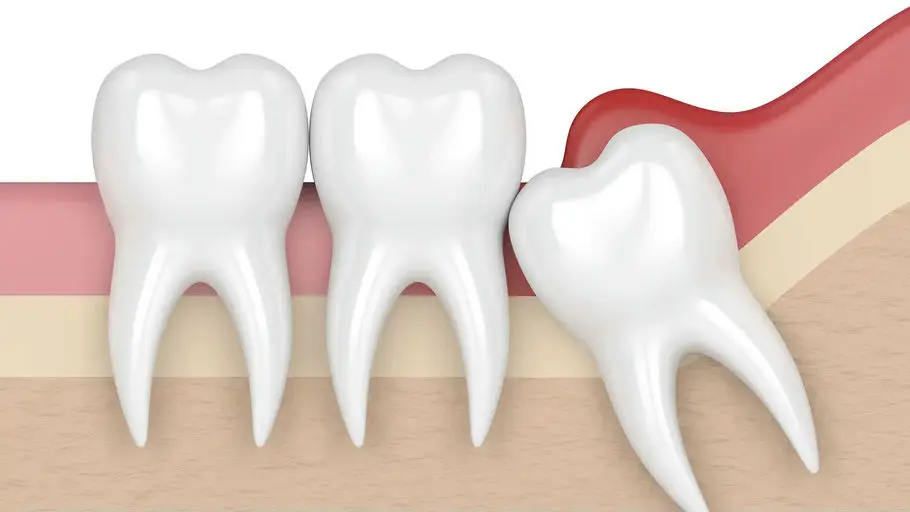
Wisdom teeth are the final set of molars to emerge, usually between the ages of 17 and 25. Due to their of raw and coarse foods, our ancestors' teeth wore down faster with use and they developed jaws large enough to accommodate all 32 teeth. However, not everyone develops wisdom teeth, and for those who do, they may not always erupt fully or in the correct position. This can lead to various problems, including:
1.Impaction:
When there is insufficient space in the jaw for the wisdom teeth to erupt properly, they may become impacted, causing pain, swelling, and potential damage to adjacent teeth.
**2.Crowding: **
The late emergence of wisdom teeth can disrupt the alignment of existing teeth, leading to crowding and misalignment issues.
3.Infection:
Partially erupted wisdom teeth can create pockets where bacteria can accumulate, increasing the risk of infection, gum disease, and tooth decay.
Tips for Caring for Wisdom Teeth:
While wisdom teeth can present challenges, proper care and maintenance can help mitigate potential issues and promote oral health. Here are some essential tips:
1.Regular Dental Check-ups:
Schedule regular dental check-ups with your dentist to monitor the development of your wisdom teeth and address any concerns promptly. X-rays can help identify potential problems before they escalate, allowing for early intervention.
2.Maintain Good Oral Hygiene:
Brush your teeth twice a day with fluoride toothpaste and floss daily to remove plaque and food particles from hard-to-reach areas, including around your wisdom teeth. Good oral hygiene is essential for preventing decay and gum disease.
3. Gentle Cleaning of Wisdom Teeth:
Pay special attention to cleaning your wisdom teeth, especially if they are partially erupted or impacted. Use a soft-bristled toothbrush and gentle, circular motions to clean around the gumline and the surface of the teeth. Consider using an antimicrobial mouthwash to reduce bacteria and prevent infection.
4.Monitor for Signs of Problems:
Be vigilant for signs of wisdom tooth-related issues, such as pain, swelling, redness, or difficulty opening your mouth. If you experience any of these symptoms, consult your dentist promptly for evaluation and treatment.
5.Consider Extraction:
In cases where wisdom teeth are causing persistent problems or pose a risk to your oral health, your dentist may recommend extraction. This surgical procedure removes one or more wisdom teeth to prevent complications and alleviate discomfort.
Conclusion
Wisdom teeth can be a source of discomfort and potential complications if not properly cared for. By understanding the significance of wisdom teeth and following these tips for care and maintenance, you can promote optimal oral health and minimize the risk of associated problems. Remember to consult your dentist regularly for guidance tailored to your individual needs and concerns.
At Advanced Dental, prioritizing your dental well-being is our foremost commitment. Our team of skilled professionals is devoted to delivering the quality standard of dental care for both you and your family.
Moreover, we are a specialized dental surgery facility offering a range of services in Singapore. Whether it's pediatric dentistry, teeth whitening, or wisdom tooth surgery, our proficient team is well-prepared to assist you in achieving a radiant smile and sustaining optimal oral health. Feel free to look through our treatment page or reach out to us at 62332199 today, and we will gladly address any inquiries you may have.