Braces
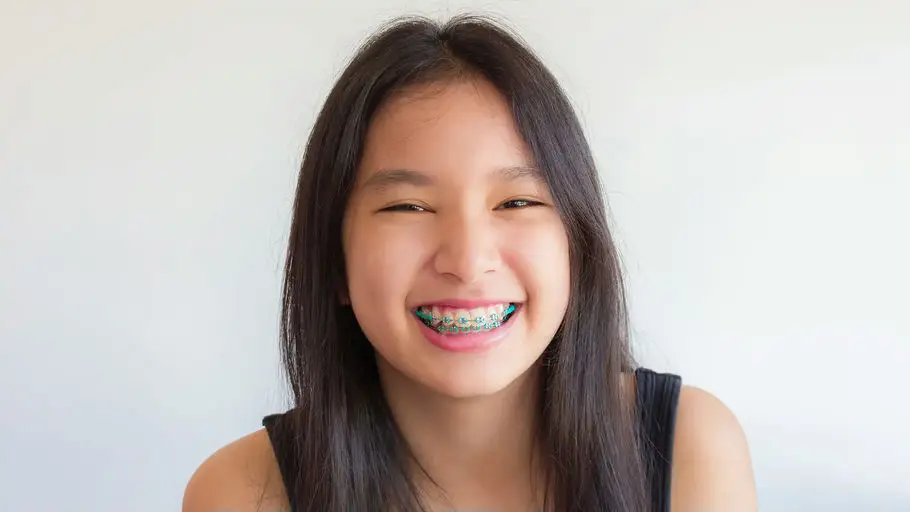
Fixed metal or ceramic brackets and wires that move teeth into alignment, adjusted every four to eight weeks. Treatment commonly takes 18 to 30 months.
At Advanced Dental Singapore, our specialist dentists provide a variety of orthodontic devices that can improve your dental health, function, and smile.
Orthodontic devices are used to straighten teeth that may seem too spaced out, crowded, or misaligned. Our dentists have the necessary experience to help you get the smile you desire.
Advanced Dental offers different types of retainers and devices which will help suit your needs.
Temporary Anchorage Devices (TAD) are small screws which are placed in your jawbone to provide an anchor point for the movement of your teeth. This helps to provide more force to shift your teeth into position.
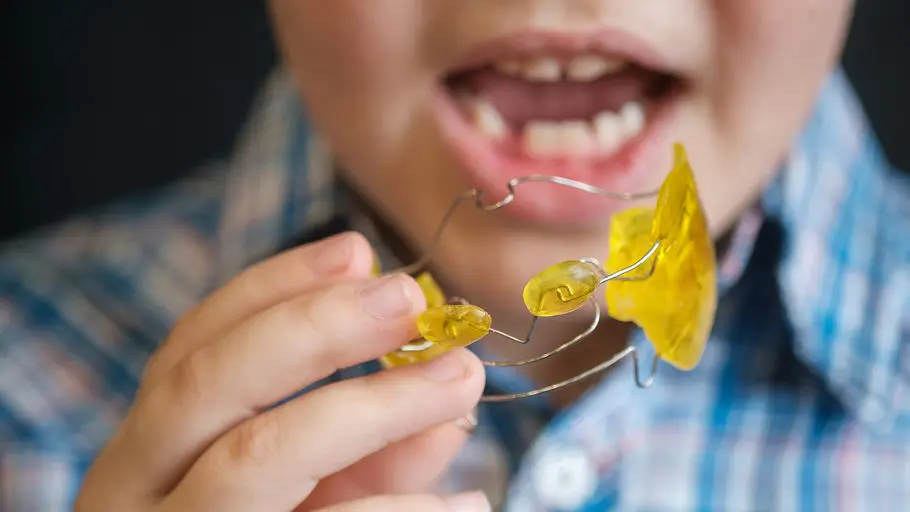
Functional appliances are devices that help correct undesirable tooth and jaw positions. They can be either fixed or removable.
Our experienced team consists of dental surgeons and orthodontic specialists, who have gone through extensive training and take pride in offering you customised orthodontic services. Book an appointment with them for braces or Invisalign at the following locations in Singapore.
Often children and teenagers who need to guide tooth position or jaw growth — with expanders, functional appliances, space maintainers or habit-breaking devices — used before or alongside braces. An assessment and records decide which appliance fits the case.
Varies with the appliance and goal — from several months to a couple of years — with regular review and adjustment visits.
Appliances feel unfamiliar for the first days and can affect speech and eating briefly while the mouth adapts. Tenderness after fitting or adjustment eases with soft foods.
Appliances make cleaning harder, so good brushing matters to avoid decay and gum problems. Results depend on wearing the appliance as directed, and some discomfort or speech changes are usual early on.
While some dietary restrictions may apply, most individuals can still eat a wide variety of foods with orthodontic devices. Hard, sticky, or chewy foods should be avoided to prevent damage to the braces or aligners.
It is common to experience minor speech changes or adjustments when wearing orthodontic devices initially. However, most people adapt quickly, and speech typically returns to normal within a short period.
An orthodontic device is a dental appliance used to correct misaligned teeth and jaws. Examples include traditional braces, clear aligners, expanders, retainers, and headgear.
Orthodontic devices work by applying gentle, controlled forces to the teeth and jaws, gradually moving them into proper alignment. Braces use brackets and wires, while aligners use a series of clear, removable trays.
Yes, you can still participate in sports and play musical instruments with orthodontic devices. It is recommended to wear a mouthguard during contact sports and to take special care when playing certain instruments.
Fixed metal or ceramic brackets and wires that move teeth into alignment, adjusted every four to eight weeks. Treatment commonly takes 18 to 30 months.
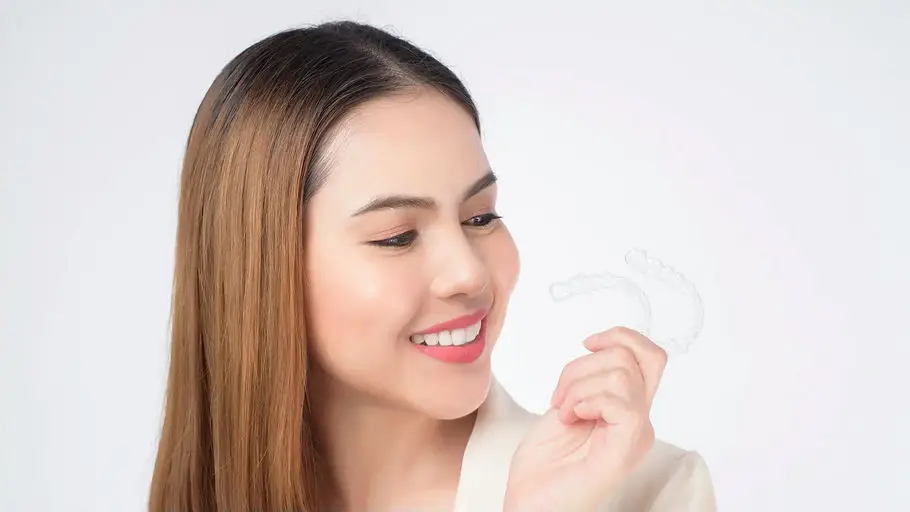
Removable clear aligners that move teeth over a planned course of treatment. A consultation assesses your teeth and bite and establishes the treatment plan. See package fees, exclusions and treating dentists below.
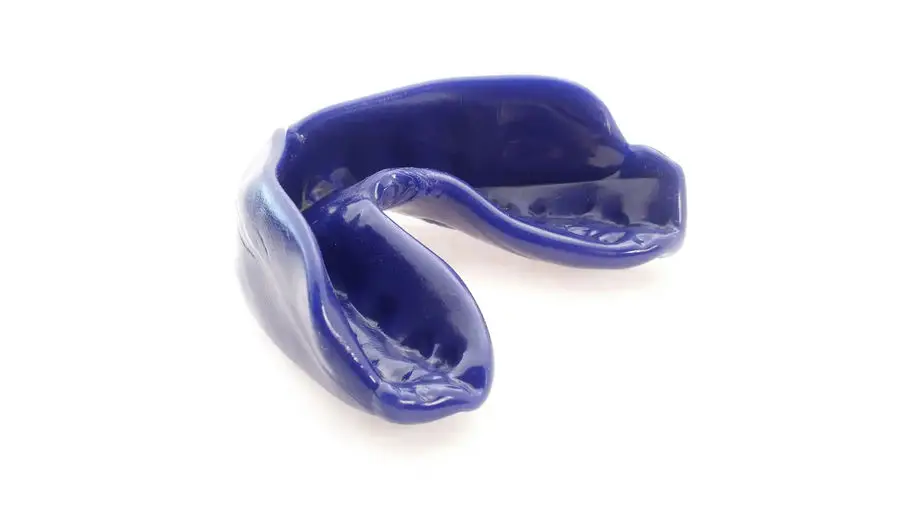
Custom-fitted guards made from impressions of your teeth: sports mouthguards protect against impact, while night guards protect against grinding (bruxism) during sleep.
Custom-made oral appliances that hold the lower jaw forward during sleep to keep the airway open — an option for snoring and mild to moderate obstructive sleep apnea.
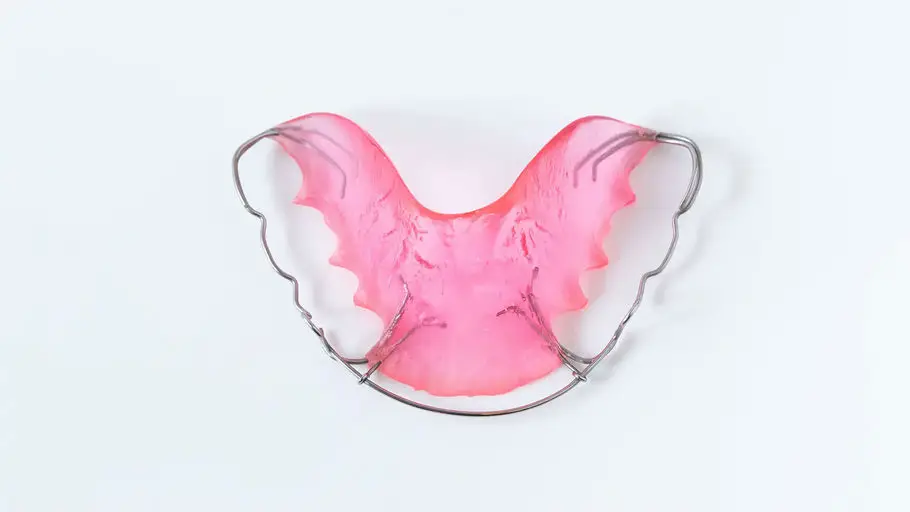
Custom appliances worn after braces or aligner treatment to hold teeth in their corrected positions — removable clear or Hawley retainers, or a fixed wire behind the teeth.
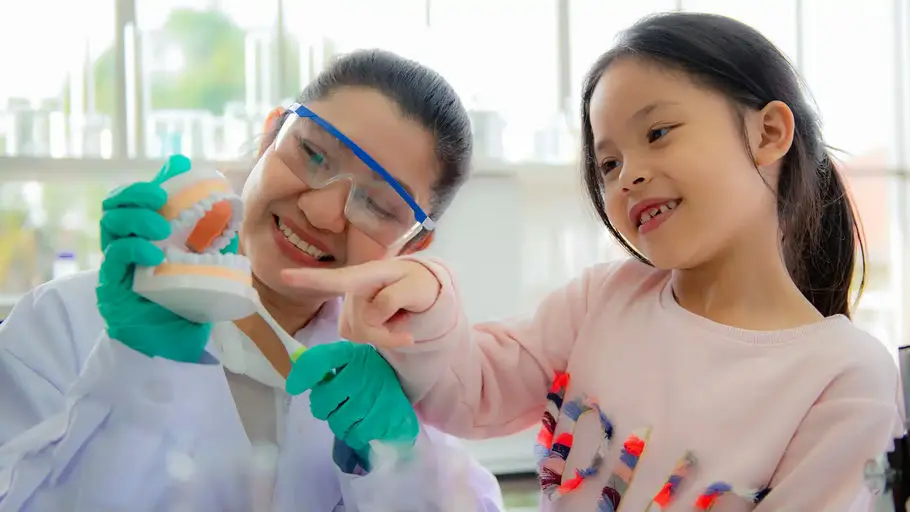
Dental care for infants, children and teens — first visits, check-ups, fluoride, fissure sealants and fillings — paced to each child's comfort.