Root Canal vs Extraction: Save the Tooth or Remove It?

Medically reviewed by Dr Matthew Sng , Clinical Director
Understand the pros, cons, and long-term impact of saving your natural tooth with a root canal versus removing it with an extraction.
When the pulp (nerve) inside a tooth becomes infected or inflamed, there are usually two options — a root canal to save the tooth, or an extraction to remove it.
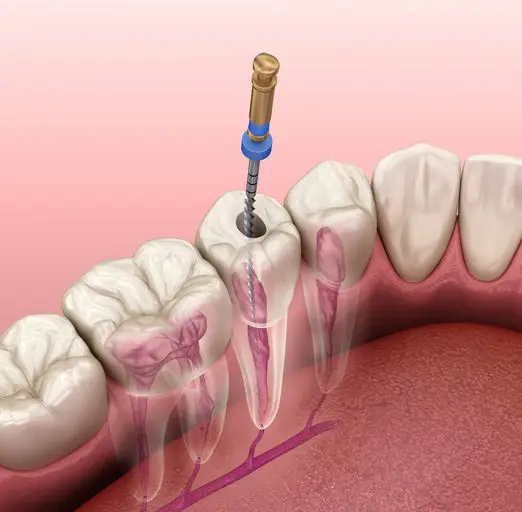
Root canal — the infected pulp is removed, the canal is cleaned and sealed, and the tooth is usually restored with a crown. It keeps your natural tooth, which maintains your bite and stops neighbouring teeth from shifting. It typically takes one or two visits.
Extraction — the tooth is removed. It's simpler and has a lower upfront cost, but it leaves a gap. That gap often needs replacing later with an implant, bridge, or denture to stop nearby teeth drifting and the jawbone shrinking — and replacing a tooth is usually costlier than saving it in the first place.
General guidance: dentists usually aim to keep a natural tooth where it's sensible to do so, and recommend extraction when a tooth is too damaged to save. A consultation and an X-ray guide the decision for your specific tooth.