
Baby Teeth: Facts and Myths for Parents
Last reviewed
What baby teeth do, when they are lost, and which beliefs about them are wrong
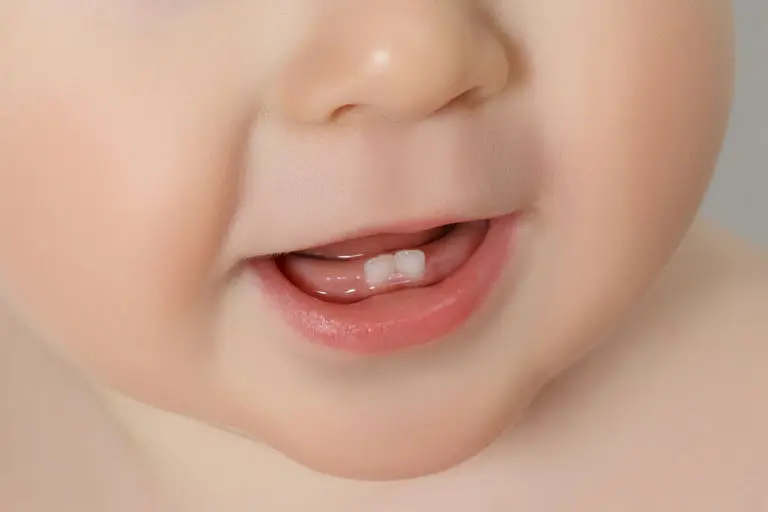
Baby teeth may be temporary, but they matter — they guide speech, help with eating, and hold space for the adult teeth. Here are the facts behind the myths, for parents.
Myth: baby teeth don't need brushing
Not true. Because they'll fall out, baby teeth are often neglected — but decay, infection, and pain are real, and problems can affect the permanent teeth forming underneath. Brush twice a day with a fluoride toothpaste and see the dentist regularly.
Fact: the first tooth arrives around 6 months
Most babies get their first tooth around 6 months, and a full set of 20 primary teeth by about age 3. Teething can be uncomfortable; a gentle gum rub or a teething toy helps.
Myth: wait until age 3 for the first dental visit
Earlier is wiser. Guidance from paediatric dentistry is that a child's first dental visit should be by their first birthday, or within six months of the first tooth. Early visits catch problems and build a positive relationship with the dentist.
Fact: the Tooth Fairy has cousins worldwide
In Spain and much of Latin America, a little mouse — Ratoncito Pérez — collects the teeth; in France, La Petite Souris. The customs differ, the excitement doesn't.
The takeaway
The Tooth Fairy is fun, but caring for baby teeth is serious. Good habits early set up healthy adult teeth. Book a children's dentistry visit to start your child off well.