
Sleep Apnoea and Your Oral Health
Last reviewed
How sleep apnoea shows up in the mouth, and the dental appliances used to treat it
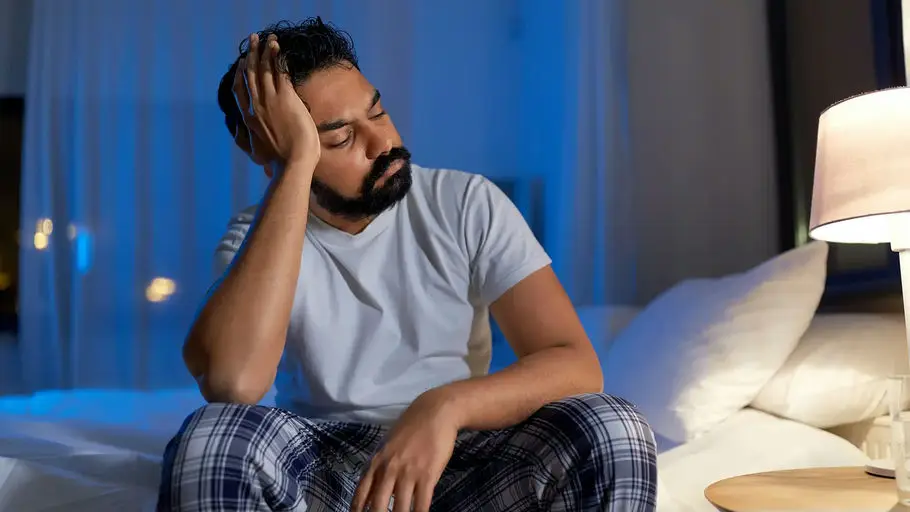
Obstructive sleep apnoea (OSA) happens when the airway becomes partly or fully blocked during sleep, interrupting breathing. It's linked to daytime fatigue, high blood pressure, and heart problems — and it leaves clear marks on your oral health, which is often where it's first spotted.
Dentists are frequently the first to notice signs of OSA — teeth grinding, enamel erosion, dry mouth, or a small or recessed jaw — and can provide custom-made oral appliances that help reduce its severity. Here's how OSA affects your mouth.
1. Teeth grinding (bruxism)
Grinding and clenching often go hand in hand with OSA. Breathing disruptions can partly wake the body, triggering grinding, while the tense jaw and tongue muscles can narrow the airway and worsen the apnoea — each feeding the other. Bruxism also causes jaw pain, headaches, and worn teeth. A mouthguard or splint can protect the teeth.
2. Jaw-joint disorders (TMD)
When the airway is blocked, the body may use the jaw and mouth muscles to breathe, straining the jaw joint. Combined with night-time clenching, this can lead to TMD — pain, clicking, and difficulty moving the jaw.
3. Dry mouth
Many people with OSA breathe through the mouth at night, and CPAP therapy can dry it further. Reduced saliva matters: saliva neutralises acid, washes away food, and protects enamel, so a dry mouth raises the risk of decay, gum disease, and infection.
4. Tooth decay
Dry mouth makes the mouth more acidic, which demineralises enamel. OSA is also linked to acid reflux (GERD), where stomach acid reaches the mouth and erodes enamel — both pushing up the risk of decay.
What you can do
If you snore heavily, wake unrefreshed, or grind your teeth, it's worth getting checked. Recognising the signs early helps protect both your sleep and your teeth. A dentist can assess your bite, fit an oral appliance where suitable, and refer you for a sleep study if needed. Book a consultation to discuss sleep apnoea and how it's affecting your mouth.